Carb Heat on with Cruise Power!

Aircraft operation is significantly endangered by carburetor icing, which is often unnoticeable to pilots until power loss occurs. Conditions for icing commonly arise at temperatures between 20°F and 65°F with high humidity. Preventive measures include maintaining appropriate air temperatures and monitoring humidity to mitigate the risk of icing effectively during flights.


CAVU Dreams (2008-03)

The past month featured enjoyable weather and a successful Annual CUFC Banquet and Auction, raising $850 for the COPA Emergency Action Fund. The author shared insights on carburetor ice, detailing its three types: fuel vaporization, impact, and throttle ice, highlighting the importance of carburetor heat to mitigate these issues.

CAVU Dreams (2007-01)

The author wishes everyone a Merry Christmas and shares their excitement about receiving a Panasonic Lumix TZ1 camera for aerial photography. They discuss recent flying events and progress on their aircraft projects, particularly on the Buttercup and Cessna 150. The O-200 engine's benefits for homebuilt aircraft are highlighted, including reliability and affordability.

From The Cockpit (2006-05)

The month was busy, highlighted by my brother's wedding in Hawaii after fifteen years. I discovered useful guidebooks and enjoyed some activities but missed opportunities for diving and visiting Lindbergh's grave. I took a helicopter tour and rode a BMW motorcycle with my nephew. My propeller is ready, and the Poker Run is approaching.

Understanding Your Bing

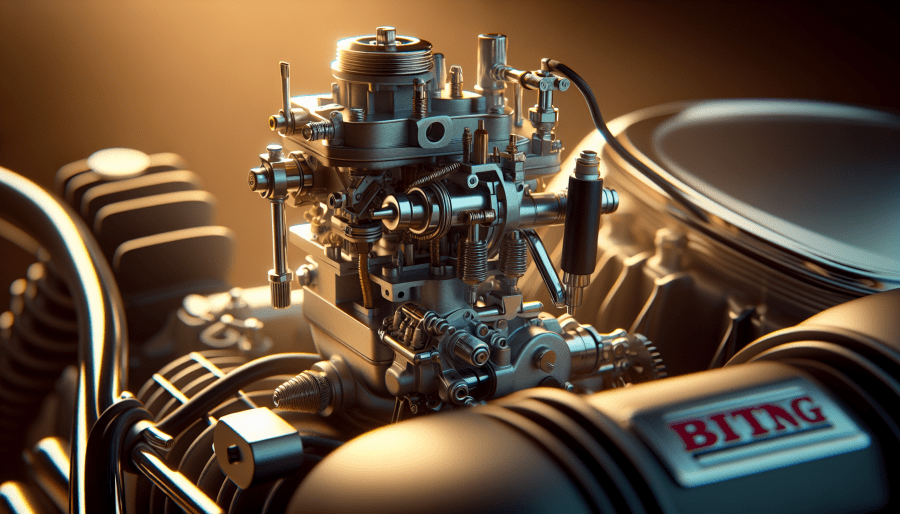
This post provides essential information about the Bing carb used on Rotax Engines. It explains the importance of the right air/fuel mixture at different throttle settings, and offers guidelines for adjusting the pilot, mid-range, and main jet systems. It also addresses common issues like hesitation and provides troubleshooting tips.