Every year, Glenn and Alice and their big extended family, put on a fantastic and well organized event. It was well attended and everyone had a great time. I’m already looking forward to next year, the 30 Annual event!


Promoting the safe enjoyment of aviation for pilots, aircraft builders and enthusiasts.
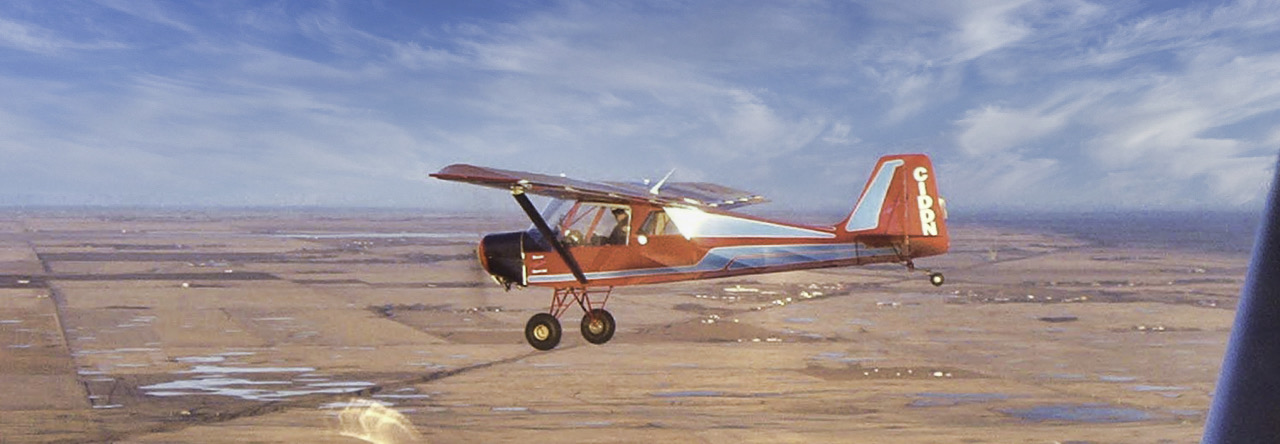
Every year, Glenn and Alice and their big extended family, put on a fantastic and well organized event. It was well attended and everyone had a great time. I’m already looking forward to next year, the 30 Annual event!

The author reflects on 39 years of flying, sharing personal highlights that emphasize memorable experiences and adventures rather than mere milestones. Key moments include a marriage proposal mid-flight, a significant journey to San Francisco, flying a Boeing 737 simulator, and participating in club activities, underscoring the importance of community in his aviation journey.
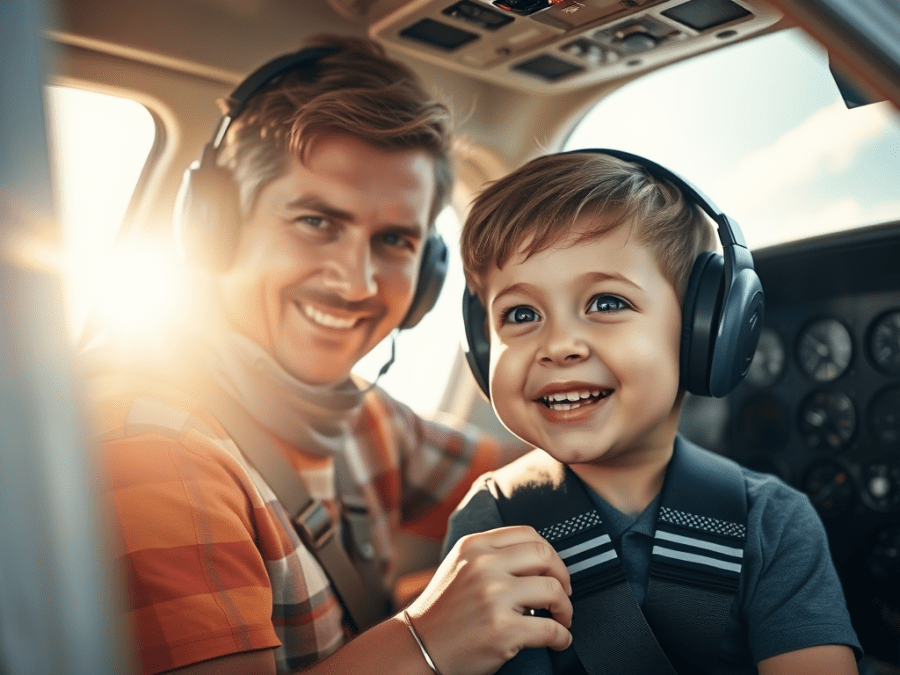
Club member, Glenn Bishell, sent in these pictures and a few words, so I could share them with everybody. It’s very heartwarming to see a positive role model, like Glenn, inspiring a young mind to dream and aspire to become a pilot one day. It ain't easy being a kid these days, in a confusing …
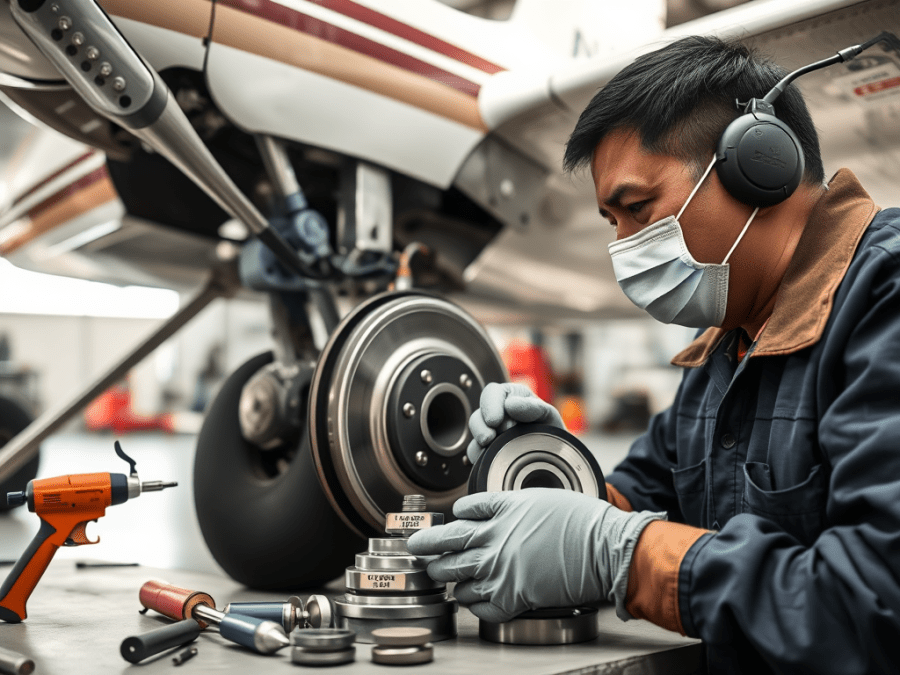
Regular airframe maintenance should include checking brakes and repacking wheel bearings, ideally annually. Ignoring this can lead to costly repairs. The task involves cleaning and greasing components, with specific tools and materials required. Accurate maintenance logs and part identification are crucial. Inspect brakes while servicing to ensure overall safety.

While flying at 5000 feet, the author experienced engine roughness and sputtering, prompting an emergency descent. After investigating potential causes, he discovered severe lead fouling in the spark plugs, attributed to changes in flying habits and the use of 100 low-lead fuel. He replaced the plugs, cleaned others, and improved engine performance by flying at higher RPMs.
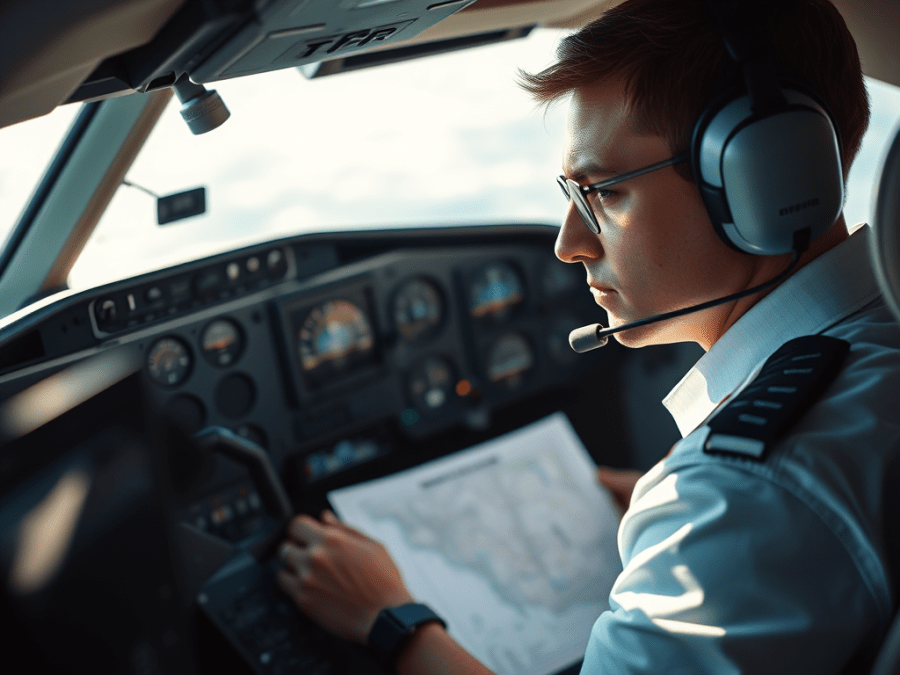
The content outlines the distinctions between IFR and VFR flying, emphasizing the importance of planning for IFR. Key steps include selecting routes, verifying waypoints, and having an alternate airport. It highlights the necessity of filing flight plans with ATC, using updated navigational tools, and provides insights into approaching both small and large airports effectively.

To become an airline pilot, obtaining a Group 1 IFR rating in Canada is essential, requiring 40 hours of instrument training, including 20 hours in a multi-engine plane. IFR flying entails detailed flight planning and reliance on instruments rather than visual cues, with GPS now being the primary navigation method.

Simulators serve multiple purposes for pilots, providing safe and efficient means to experiment with new equipment and techniques, saving time on pre-flight procedures, allowing practice of trip details, and simulating emergency situations. While desktop simulator time may not be logged, it significantly improves and maintains pilot skills.

The first thing you have to realize is that these things happen to me. I don't plan on them, I don't go looking for them. But odd little coincidences, strange inter-connected events, like you'd find in the Twilight Zone, just somehow manage to find me. And these twists of fate often make my life very interesting. Oh, I almost forgot. They usually happen in three's.

When taking your niece and nephew on a sightseeing flight, ensure a solid preflight briefing, emphasizing no low passes over people, understanding airsickness, maintaining a sterile cockpit, and safe, judicious flying. Avoid distractions and unsafe maneuvers. Prepare and plan carefully for an enjoyable and safe experience. (Word count: 50)
 Calgary Recreational Flying Club YYC