CAVU Dreams (2014-08)

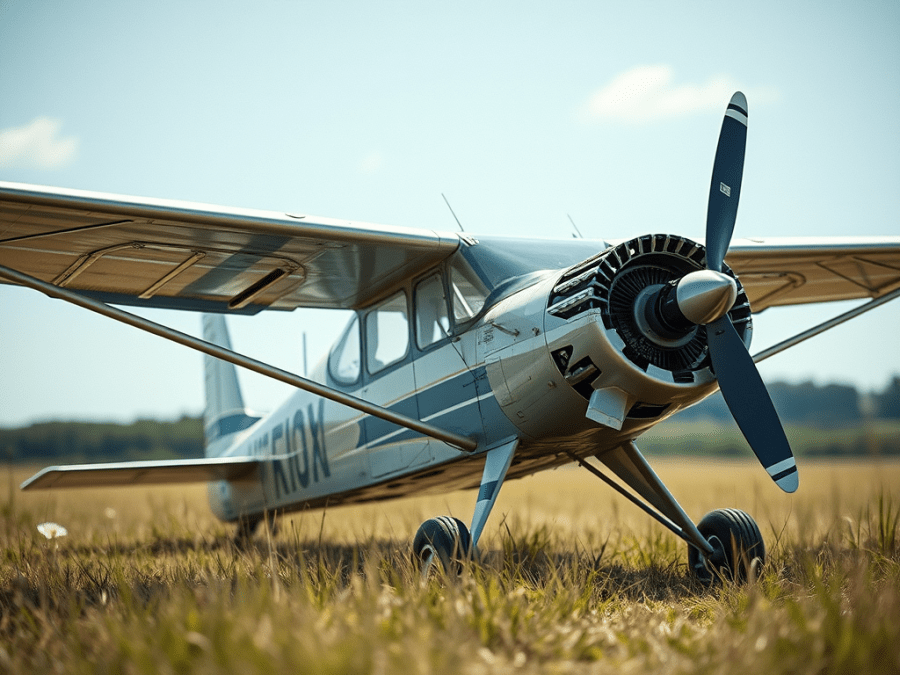
From mid-May to August, significant work was done on a 1953 Cessna 170B following a concerning engine inspection. After evaluating options, it was decided to replace the original engine with a Lycoming O-360, enhancing performance. Despite increased weight and some initial issues, the owners are pleased with the outcome and eager to fly again.

My Struggles with a VW Aircraft Engine

In November 2000, I purchased a partially completed Kitfox Classic IV project. After six years of modifications, my first flight ended in an engine failure, leading to a crash. Through extensive repairs and engine upgrades to a VW engine, I addressed multiple issues such as fuel starvation, overheating, and valve problems, ultimately achieving successful flights.

CAVU Dreams (2011-11)

October provided great flying conditions with warm weather and light winds. However, I faced engine issues that turned out to be lead-fouled spark plugs, resolved after maintenance. Additionally, I explored the concept of "elementary maintenance," clarifying tasks owners can perform on their aircraft without AME approval, underscoring aircraft owner responsibilities.

How Tight is Right?

Aircraft bolts are crucial for design, construction, and maintenance. Only use certified AN/NAS/MS bolts for reliability. Proper tightening is vital; too loose risks failure, while over-tightening can weaken components. Safety locking methods are essential to prevent loosening. For comprehensive guidance, refer to AC 43.13-1B/2A and the "Motorbooks International" handbook.

CAVU Dreams (2007-05)

The author reflects on making modifications to the Buttercup aircraft following the acquisition of a Tailwind design. The introduction of a powerful O-320 engine promises enhanced performance, speed, and climb rates. Suggested changes include expanding fuel capacity and omitting leading edge flaps to increase structural stability and flight capabilities, aiming for greater efficiency and speed.

CAVU Dreams (2006-04)

The Cessna 150 project is complete after a year of upgrades, including avionics, a new engine, and a conversion to key-start. The installation went smoothly, with improved performance and no leaks observed post-swap. However, the plane unexpectedly gained 35 lbs, complicating future flight training arrangements within legal weight limits.