Next Century RV6

The author upgrades their RV6, focusing on modernizing technology. They install a heated pitot system with cockpit indicators and a Garmin OAT probe. Autopilot servos integrating with a Garmin G3X were added, despite a challenging fitting process. Additionally, they plan to fabricate a new instrument panel for efficient module placement.

The Age of Contrasts

The evolution of aviation technology reveals vast contrasts, particularly in recreational aircraft, which blend old and new advancements. Engines and instruments showcase a mix of classic designs and modern innovations, showcasing reliability and accessibility. The ongoing advancements in materials and avionics highlight a fascinating intersection between past ingenuity and current capabilities in aviation.

Staying Current in the IFR World

The author enjoys holding a multi-engine instrument rating but must meet specific requirements to maintain it. They chose an annual instrument proficiency check in a simulator, which proved more economical than renting aircraft. The experience involved handling automation and emergency procedures, culminating in a challenging but successful ILS approach, fulfilling necessary qualifications.

Glass Panel Upgrade

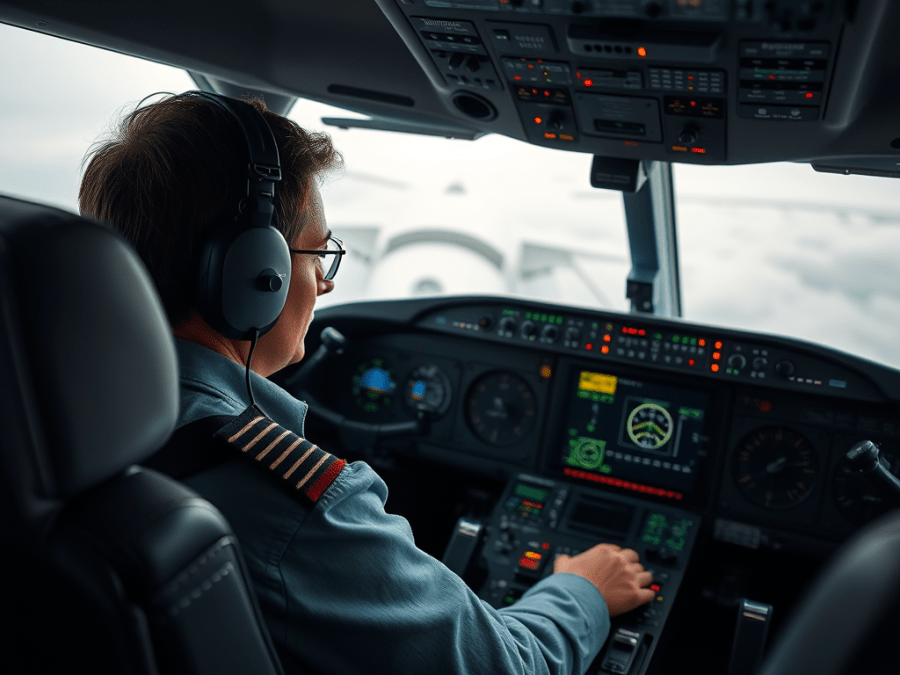
If you want to go with a glass IFR panel then you need to plan for full redundancy. If you're doing that then why not throw in an autopilot and all the bells and whistles. As a starting point I was able to go flying with Troy Branch in his RV10 which he recently upgraded to Garmin avionics and instruments. I have to say it is hands down the nicest panel I've ever seen. It has three 10" landscape displays, a 3" backup EFIS, two Garmin GPS's, full autopilot and extras. We did a quick flight to Lethbridge to shoot an IFR approach and the capabilities of this plane are amazing.

Top Ten

The author reflects on 39 years of flying, sharing personal highlights that emphasize memorable experiences and adventures rather than mere milestones. Key moments include a marriage proposal mid-flight, a significant journey to San Francisco, flying a Boeing 737 simulator, and participating in club activities, underscoring the importance of community in his aviation journey.

Brakes and Bearings Part 1

Regular airframe maintenance should include checking brakes and repacking wheel bearings, ideally annually. Ignoring this can lead to costly repairs. The task involves cleaning and greasing components, with specific tools and materials required. Accurate maintenance logs and part identification are crucial. Inspect brakes while servicing to ensure overall safety.

A Motor Most Foul

While flying at 5000 feet, the author experienced engine roughness and sputtering, prompting an emergency descent. After investigating potential causes, he discovered severe lead fouling in the spark plugs, attributed to changes in flying habits and the use of 100 low-lead fuel. He replaced the plugs, cleaned others, and improved engine performance by flying at higher RPMs.