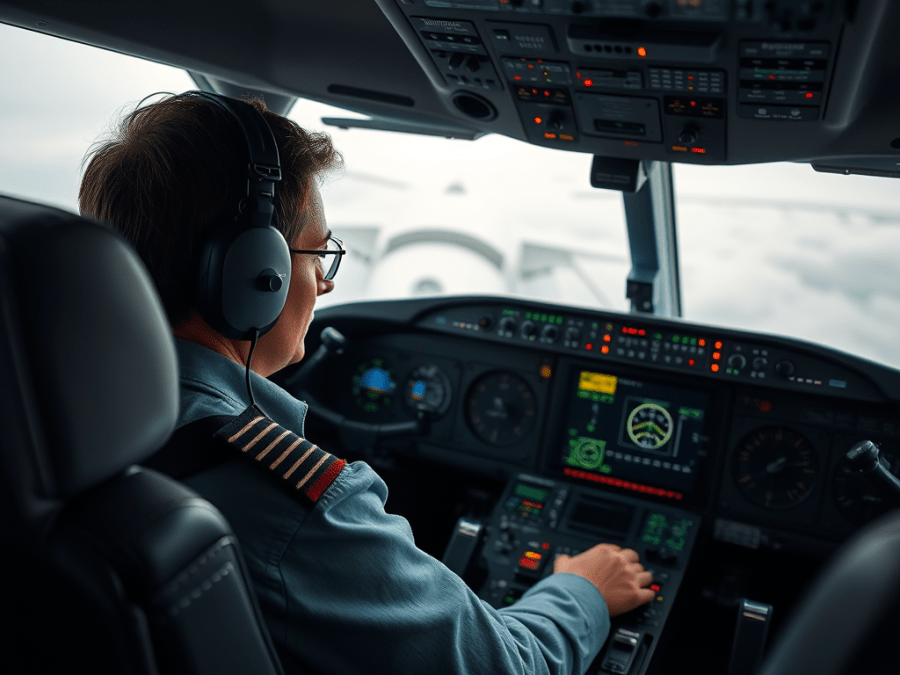
In September 2018, Doug Eaglesham, Geoff Pritchard and I set off to basically just ramble about the sky for several days. We had no solid plan, we were just going flying and we’d see where we ended up.
Promoting the safe enjoyment of aviation for pilots, aircraft builders and enthusiasts.
In September 2018, Doug Eaglesham, Geoff Pritchard and I set off to basically just ramble about the sky for several days. We had no solid plan, we were just going flying and we’d see where we ended up.
The author reflects on 39 years of flying, sharing personal highlights that emphasize memorable experiences and adventures rather than mere milestones. Key moments include a marriage proposal mid-flight, a significant journey to San Francisco, flying a Boeing 737 simulator, and participating in club activities, underscoring the importance of community in his aviation journey.
Club member, Glenn Bishell, sent in these pictures and a few words, so I could share them with everybody. It’s very heartwarming to see a positive role model, like Glenn, inspiring a young mind to dream and aspire to become a pilot one day. It ain't easy being a kid these days, in a confusing …
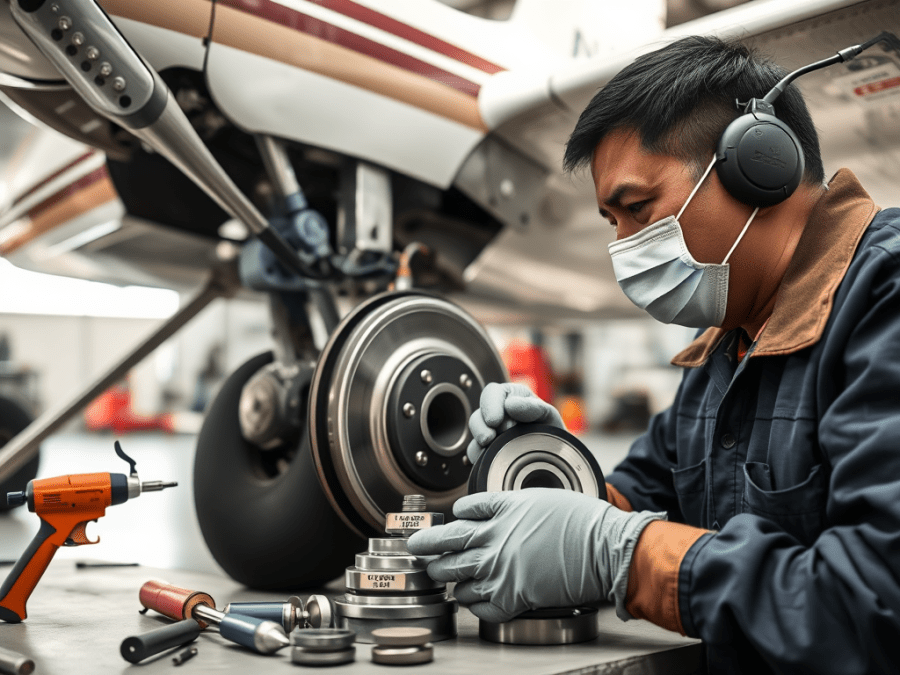
Regular airframe maintenance should include checking brakes and repacking wheel bearings, ideally annually. Ignoring this can lead to costly repairs. The task involves cleaning and greasing components, with specific tools and materials required. Accurate maintenance logs and part identification are crucial. Inspect brakes while servicing to ensure overall safety.
While flying at 5000 feet, the author experienced engine roughness and sputtering, prompting an emergency descent. After investigating potential causes, he discovered severe lead fouling in the spark plugs, attributed to changes in flying habits and the use of 100 low-lead fuel. He replaced the plugs, cleaned others, and improved engine performance by flying at higher RPMs.
The key to consistently good landings lies in maintaining a stable, correct approach speed and trimming the elevator accordingly. Pilots should avoid fixating on the aim point, instead shifting focus down the runway as they approach. Adjust visual references based on speed and avoid over-controlling to achieve smoother landings.
Monitoring oil leakage in airplane piston engines is crucial, as complacency can lead to significant issues. Key indicators of excessive leakage include oil dripping on the nose tire, inability to complete a long trip without oil level concerns, and exceeding manufacturer's recommended consumption. Timely attention to these signs is essential for safe operations.
Simulators serve multiple purposes for pilots, providing safe and efficient means to experiment with new equipment and techniques, saving time on pre-flight procedures, allowing practice of trip details, and simulating emergency situations. While desktop simulator time may not be logged, it significantly improves and maintains pilot skills.
The prospect of flying a multi-engine airplane has always fascinated me. Pursuing this as a career requires obtaining a multi IFR or Group 1 IFR rating. While the flight test exercises are simpler than those for a private pilot's license, muscle memory is crucial due to the complexity and speed of the aircraft. The process includes various challenging exercises, such as managing failed engines and landing with simulated emergencies. If successful, this endeavor will lead to a new rating and the opportunity to continue Multi IFR training.
The writer, Stu Simpson, shares his passion for ultralight airplanes, highlighting their affordability and the joy of flying. He reflects on his experiences with different ultralights, from adventurous trips to building his own plane. He particularly loves his current plane, the Green Giant, for its capabilities and the sense of adventure it provides.