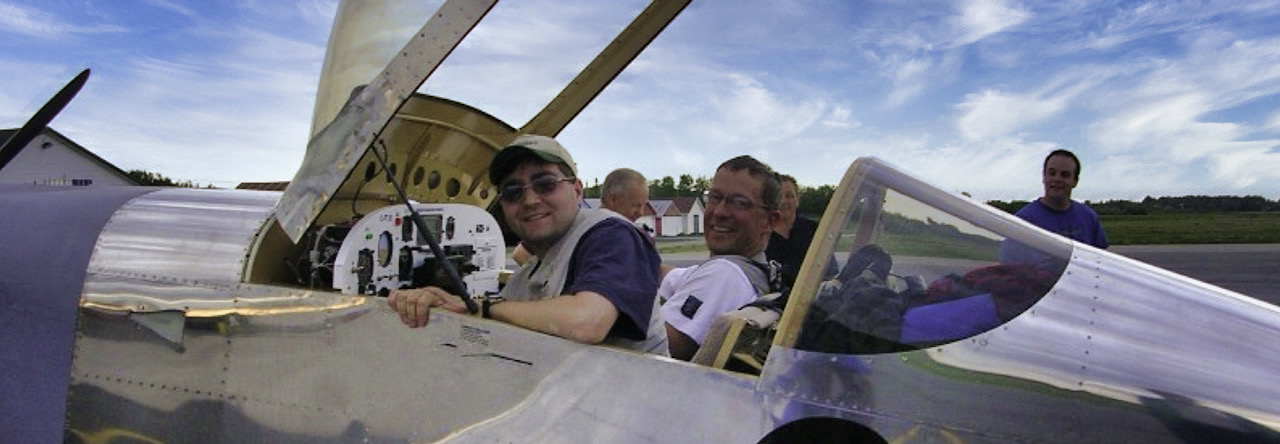
Rose’s First Flight

On February 19, 2006, I took my co-worker Alan's wife, Rose, on her first airplane ride for her birthday. After thorough briefings and checking weather conditions, we flew over stunning landscapes, including Calgary and Drumheller. Despite some turbulence, Rose enjoyed the experience, expressing newfound confidence about flying. It was a memorable tour.

CAVU Dreams (2006-03)

In a busy month, the author managed home renovations and aircraft upgrades, including work on a Cessna 150. After successfully retrieving a salvaged plane in Florida with his father, they encountered delays and icy conditions. The trip proved worthwhile, yielding a core engine and quality parts for future projects, costing $4,000 less than anticipated.

From The Cockpit (2006-03)

This winter has brought mild temperatures and minimal snow. The recent annual dinner and auction was a success, thanks to Dave Procyshen. Appreciation was expressed for contributors and reports on various topics. Upcoming meetings promise engaging discussions, including insights from search and rescue missions. A former plane owner transitioned, and exciting new projects await.

CAVU Dreams (2009-03)

February brought mixed weather but ended positively with a lunch gathering in Lacombe that featured multiple aircraft enthusiasts. The author recently introduced a fellow student to light flying, excelled in class, and continued working on their Buttercup project, focusing on rib construction for wings. Upcoming aviation events are in the pipeline.

Kicking Tires and Twanging Wires – Safety Corner

The content emphasizes the importance of thorough preflighting for aircraft, and highlights the significance of patience and attention to detail. It also underlines the need for proper maintenance and pilot readiness. The careful preflighting process ensures airworthiness, maintenance adherence, pilot preparedness, and flight plan review. Rushing through it can lead to oversights and risks.

Prop Up Your Plane

The article discusses the importance of choosing the right propeller for different aircraft engines, specifically focusing on the Rotax engine. It highlights the impact of using the wrong propeller, the significance of RPM in achieving maximum thrust, and the preference for fewer blades for efficiency. It also touches on the potential of adjustable pitch propellers for improved fuel economy and the factors to consider when selecting a propeller. The writer emphasizes the role of compromises in determining the most suitable propeller for specific aircraft models and encourages investment for enhanced performance.

Hot, High and Humid – Safety Corner

Aircraft performance is greatly influenced by density altitude, impacting take-off distance and rate of climb. Manufacturer claims are based on standard conditions, but real-world factors like temperature and altitude can double take-off distance and reduce climb rates. Other considerations include airfield conditions, wind, and angle of climb. Understanding density altitude is crucial for maximizing aircraft performance.

Editorial: March 1990

The latest Transport Canada stats on registered aircraft in Canada show interesting ratios. As of March 1, 1990, the registered aircraft count is: Commercial 5,790, Government 300, Private 16,810, Amateur-built 1,713, and Ultra-light 3,224, totaling 281 less than the total stated. Ultralights represent a significant 15% of the total. In Canada, this high level of interest in Ultralights is positive, reflected in media and public attitudes. Ultralight Flying enthusiasts must promote a positive image of the sport. With anticipated new regulations and abundant kits, Ultralights may reach 20% next year.

Understanding Your Bing

This post provides essential information about the Bing carb used on Rotax Engines. It explains the importance of the right air/fuel mixture at different throttle settings, and offers guidelines for adjusting the pilot, mid-range, and main jet systems. It also addresses common issues like hesitation and provides troubleshooting tips.