Next Century RV6

The author upgrades their RV6, focusing on modernizing technology. They install a heated pitot system with cockpit indicators and a Garmin OAT probe. Autopilot servos integrating with a Garmin G3X were added, despite a challenging fitting process. Additionally, they plan to fabricate a new instrument panel for efficient module placement.

Staying Current in the IFR World

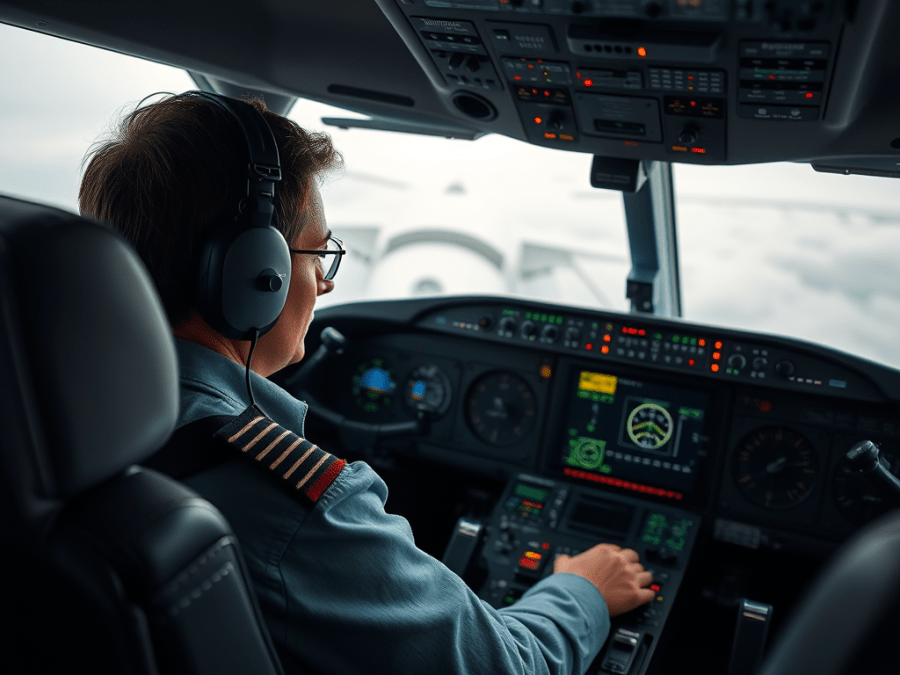
The author enjoys holding a multi-engine instrument rating but must meet specific requirements to maintain it. They chose an annual instrument proficiency check in a simulator, which proved more economical than renting aircraft. The experience involved handling automation and emergency procedures, culminating in a challenging but successful ILS approach, fulfilling necessary qualifications.

Glass Panel Upgrade

If you want to go with a glass IFR panel then you need to plan for full redundancy. If you're doing that then why not throw in an autopilot and all the bells and whistles. As a starting point I was able to go flying with Troy Branch in his RV10 which he recently upgraded to Garmin avionics and instruments. I have to say it is hands down the nicest panel I've ever seen. It has three 10" landscape displays, a 3" backup EFIS, two Garmin GPS's, full autopilot and extras. We did a quick flight to Lethbridge to shoot an IFR approach and the capabilities of this plane are amazing.

Brakes and Bearings – Part 2

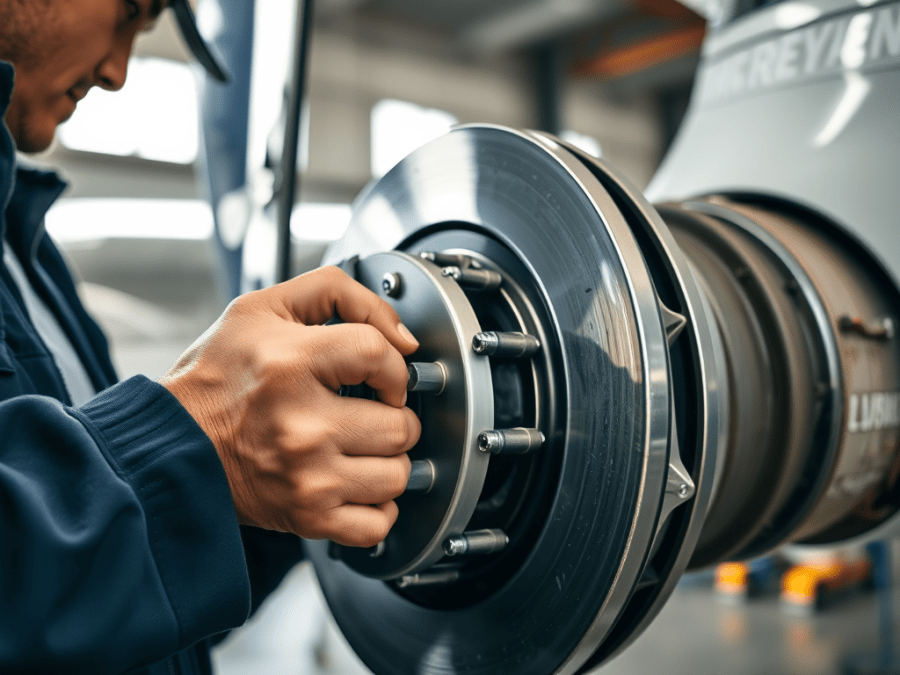
This article outlines the process for checking and replacing brake pads on an aircraft, emphasizing the importance of consulting the maintenance manual. It details disassembly, inspection, and reassembly steps, including the use of rivet tools and brake cleaner. Regular maintenance and professional assistance are recommended for any issues beyond pad replacement.

Brakes and Bearings Part 1

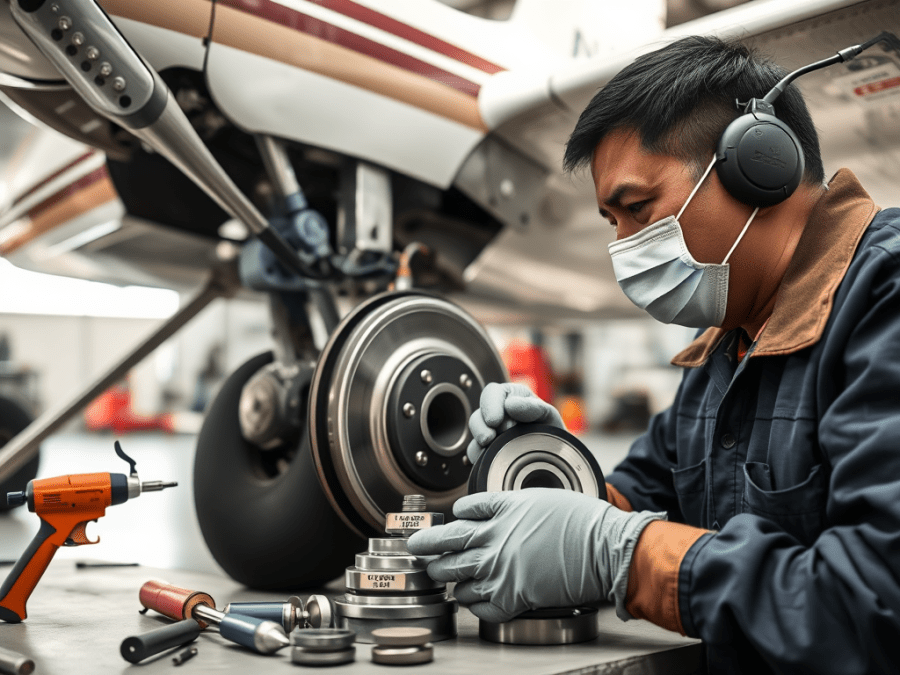
Regular airframe maintenance should include checking brakes and repacking wheel bearings, ideally annually. Ignoring this can lead to costly repairs. The task involves cleaning and greasing components, with specific tools and materials required. Accurate maintenance logs and part identification are crucial. Inspect brakes while servicing to ensure overall safety.

IFR Considerations

Flying IFR requires a certified aircraft and specific equipment, including a dual-com radio, GPS, navigation radio, and necessary instruments. Costs range from $25-$30K for homebuilts to higher for certified planes, plus maintenance fees. Staying current is vital for safety, especially as IFR conditions increase risks like ice. Consider frequency of use before investing.

IFR Flying

In March 2024, Norm Vienneau discovered a Barnstormer's ad for a complete S6 kit in Campbell River, BC. Accompanied by Wayne Clark, the author inspected the kit, which lacked an engine and instruments. They detail the wing construction, covering methods, and painting process, nearing completion except for engine installation.

Flying IFR

The author reflects on the challenge VFR pilots face when interacting with IFR aircraft, particularly at uncontrolled aerodromes. IFR approaches follow strict procedures for safety and consistency, which can disrupt VFR traffic. Effective communication and accommodation from VFR pilots can ease conflicts, highlighting the importance of understanding both flight operations for safer airspace management.

Aileron flutter

The author describes a flight in a Bishcaddy L164 aircraft that experienced uncontrollable vibrations during descent. After landing safely, they discovered significant damage to the wings, indicating a need for reconstruction. Despite the incident, no one was harmed, and the author remains optimistic about the airplane's repair, highlighting its prior reliability.

Learning to Fly IFR

The content outlines the distinctions between IFR and VFR flying, emphasizing the importance of planning for IFR. Key steps include selecting routes, verifying waypoints, and having an alternate airport. It highlights the necessity of filing flight plans with ATC, using updated navigational tools, and provides insights into approaching both small and large airports effectively.