IFR Flying

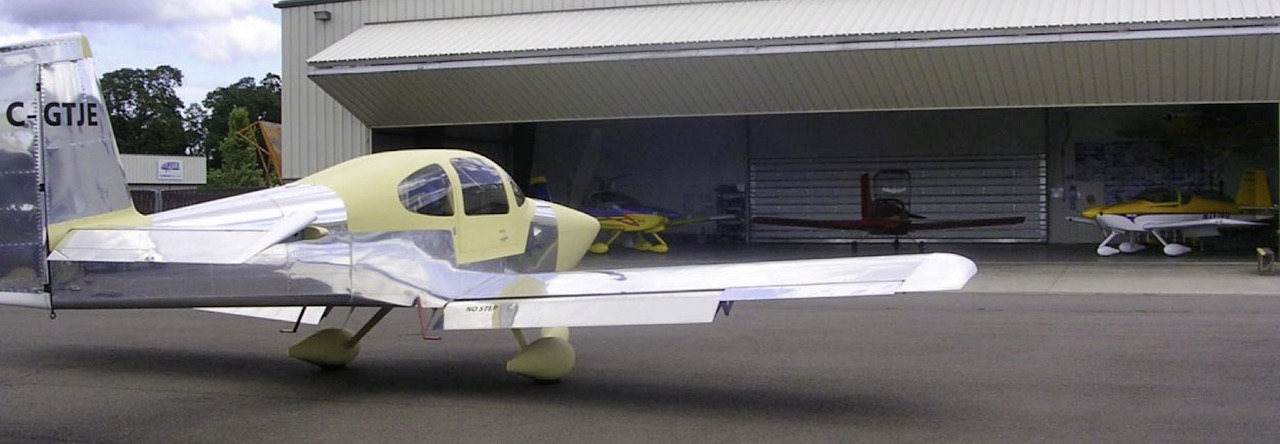
In March 2024, Norm Vienneau discovered a Barnstormer's ad for a complete S6 kit in Campbell River, BC. Accompanied by Wayne Clark, the author inspected the kit, which lacked an engine and instruments. They detail the wing construction, covering methods, and painting process, nearing completion except for engine installation.

Flying IFR

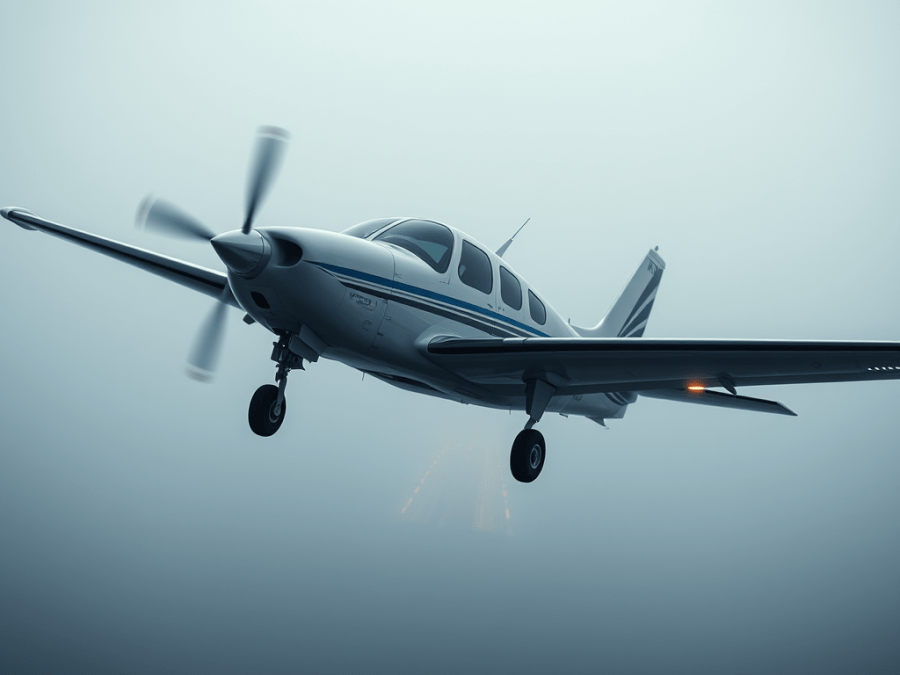
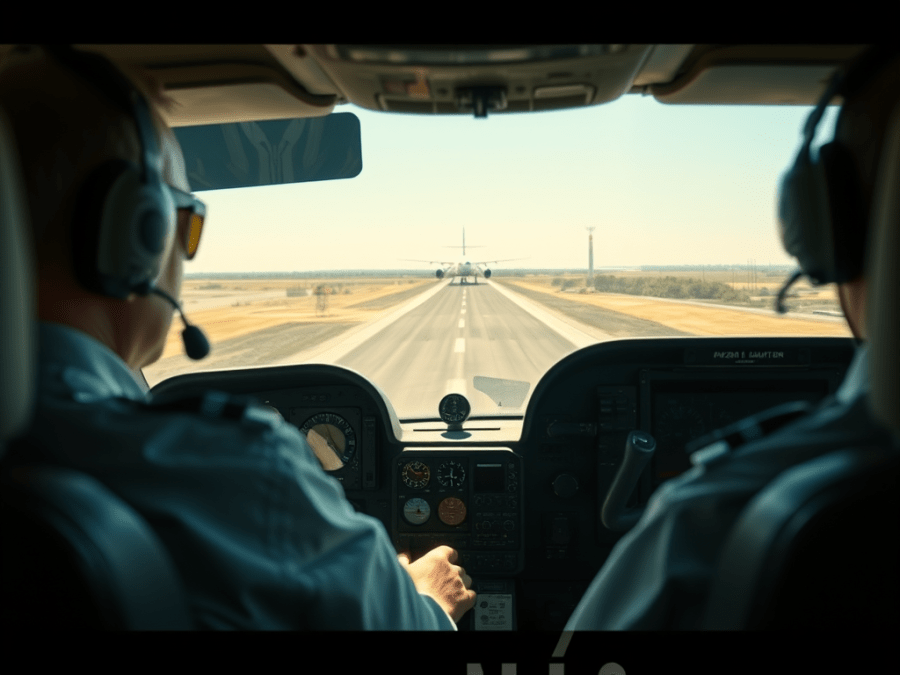
The author reflects on the challenge VFR pilots face when interacting with IFR aircraft, particularly at uncontrolled aerodromes. IFR approaches follow strict procedures for safety and consistency, which can disrupt VFR traffic. Effective communication and accommodation from VFR pilots can ease conflicts, highlighting the importance of understanding both flight operations for safer airspace management.

Aileron flutter

The author describes a flight in a Bishcaddy L164 aircraft that experienced uncontrollable vibrations during descent. After landing safely, they discovered significant damage to the wings, indicating a need for reconstruction. Despite the incident, no one was harmed, and the author remains optimistic about the airplane's repair, highlighting its prior reliability.

Learning to Fly IFR

The content outlines the distinctions between IFR and VFR flying, emphasizing the importance of planning for IFR. Key steps include selecting routes, verifying waypoints, and having an alternate airport. It highlights the necessity of filing flight plans with ATC, using updated navigational tools, and provides insights into approaching both small and large airports effectively.

Getting A Multi-Engine Rating

The prospect of flying a multi-engine airplane has always fascinated me. Pursuing this as a career requires obtaining a multi IFR or Group 1 IFR rating. While the flight test exercises are simpler than those for a private pilot's license, muscle memory is crucial due to the complexity and speed of the aircraft. The process includes various challenging exercises, such as managing failed engines and landing with simulated emergencies. If successful, this endeavor will lead to a new rating and the opportunity to continue Multi IFR training.

Mountain Flight Planning in Winter

Brian Vasseur meticulously planned the delivery of a Zenair CH250, consulting with pilot Stu Simpson and using various flight planning tools. They carefully crafted a route, prepared for potential survival situations, and successfully delivered the aircraft to its new owner. Vasseur's thorough plan included survival gear and route adjustments based on weather and terrain, ensuring a safe trip.

Wood Props and Winter

In summertime, wooden doors can stick due to humidity, while in winter, they shrink from dryness. It's crucial to check wood prop bolts on planes during colder months, as loosened bolts can cause significant damage. Ensuring proper torque can prevent deterioration and ensure safe flying conditions, especially for wood props.