Mr. Aldrich, a PA 15, & me

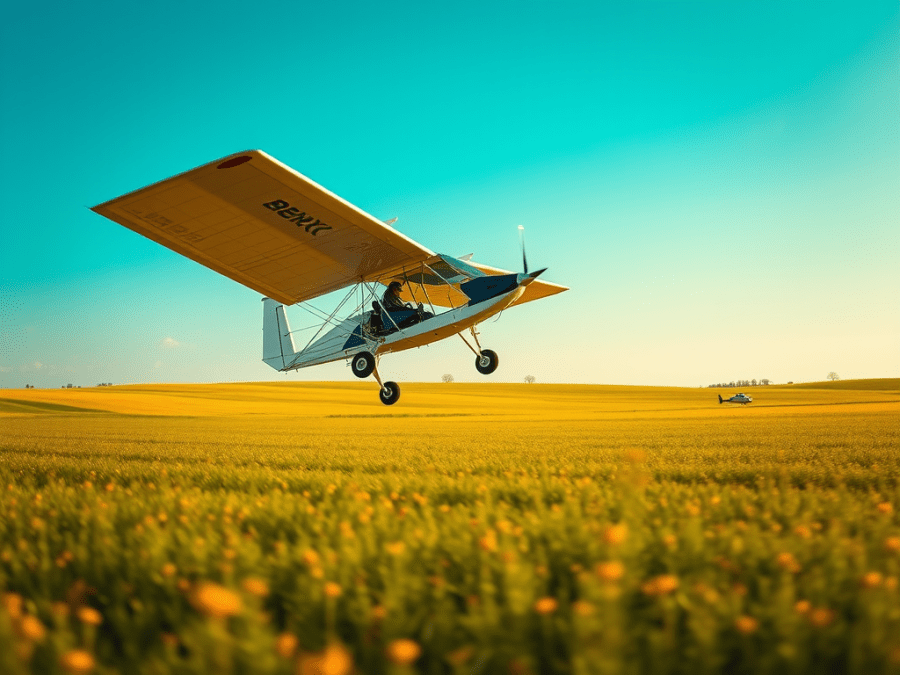
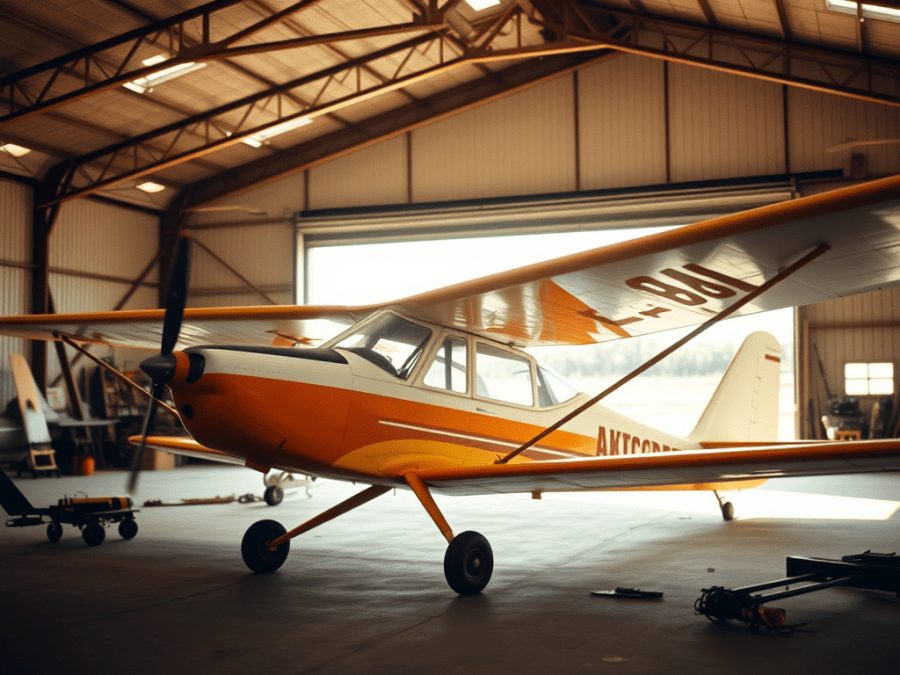
In the late '70s, a pilot narrates his experience flying a PA 15 from a farmer’s field in Saskatchewan to Springbank, aided by a check pilot. After overcoming challenges like locating the plane, handling an uncooperative passenger, and navigating difficult weather conditions, he ultimately returns safely. The tale reflects perseverance and humor amidst chaos.
Fat Dumb and Happy

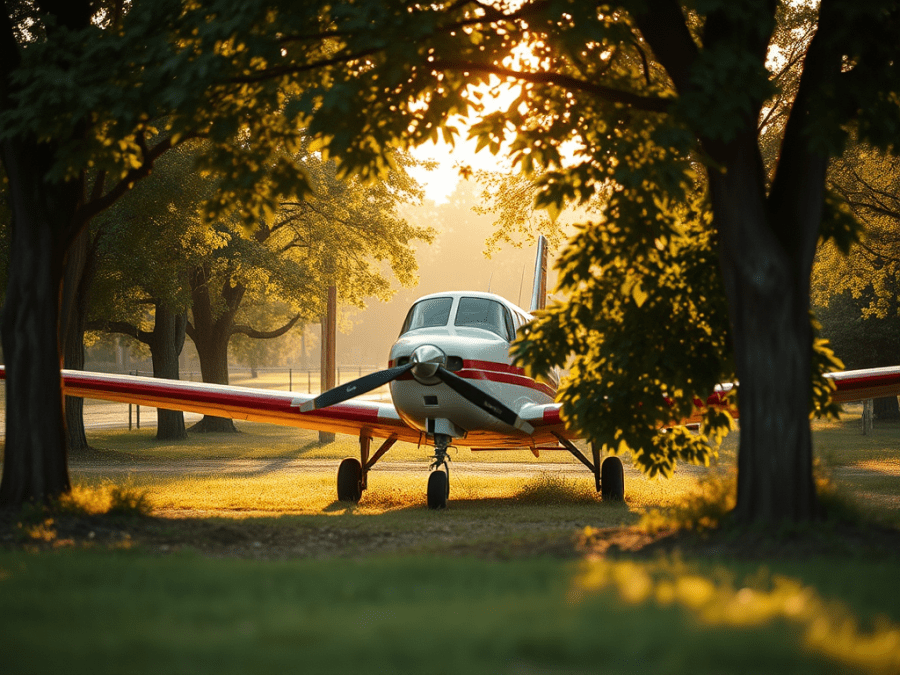
During a routine flight, the pilot experienced a smoke issue due to a broken muffler. After safely landing, he sought tools for repairs and received help from a local resident. A quick visit to a welding shop ensured the issue was resolved in time for both pilots to meet their commitments, highlighting community support.

Pilot Tip: Go Straight or Turn Back?

The content discusses the critical decision pilots face during engine failure on takeoff, emphasizing that attempting to return to the airport often leads to fatal stalls or spins. It advocates for mental preparation through pre-takeoff briefings, assessing landing options, and knowing safe altitudes, ultimately discouraging dangerous turns back to the airport.

Practiced Forced Landings

As spring flying season begins, the author emphasizes the crucial practice of forced landings in ultralight training. Despite initial fears, practicing this skill proved invaluable during real emergencies. The article outlines key factors for selecting landing fields, reinforcing the importance of staying calm and prioritizing flying the plane in such situations.

Member Profiles

Wilf Stark began monthly member profiles in the mid-90s, with Ivan Myslawchuk being the oldest and earliest pilot in the club. Soloing at 17 in 1955, Ivan has a rich aviation history, including military and civilian flying. Known for his generosity, he has restored various aircraft and shares his extensive collection proudly.

Amended Transport Canada – Canadian Aviation Regulations / Part0, Section I, II, III & IV

The text outlines regulations prohibiting pilots from understanding Canadian Aviation Regulations (CARs) unless authorized. If pilots perceive knowledge of CARs, they must inform the Administrator within three days. The Administrator will then revise the CARs to prevent further understanding and may mandate remedial instruction until confusion is achieved.

When the Airplane Speaks

The author recounts a series of test flights in their aircraft, the Cavalier, highlighting persistent engine roughness. Initial diagnostics ruled out common issues like carb ice. After thorough troubleshooting and repairs, including a malfunctioning manifold pressure sensor and a problematic left mag, the engine's performance improved significantly, emphasizing the importance of attentive maintenance.

KitFox IV

After seven years with a C-170A and a reduction in flying time due to economic factors, the author sold the airplane and transitioned to renting a C-120. Eventually, he acquired a Kitfox 4, drawn by its maintainability, performance, and fun flying experience. The change has been positive and enjoyable.

Delayed Search and Rescue Response

On August 26, 2004, a Piper Cherokee crashed during a night VFR flight due to adverse weather, resulting in the pilot's fatal injuries. The pilot's friend, unaware of SAR notification requirements, failed to act when the pilot became overdue. This situation highlights the importance of properly briefed flight itinerary responsible persons to prevent delays in search and rescue operations.

Oshkosh 2016

The narrative recounts an exhilarating arrival at EAA AirVenture 2016, featuring a near-collision during landing and the author's subsequent experiences. Following a thrilling week filled with aircraft displays, informative meetings, and breathtaking performances by the Martin Mars and Snowbirds, the author concludes the adventure by returning home after covering 2275 nautical miles.