From The Cockpit (2008-03)

The new President expresses gratitude for the opportunity to serve and reflects on his 13 years of flying experience, emphasizing the value of the club atmosphere. He acknowledges past leaders’ contributions, announces upcoming events, and highlights efforts to reduce expenses, including transitioning to digital communications for the Skywriter. Members are encouraged to engage actively.

Building a Steel Tube Fuselage

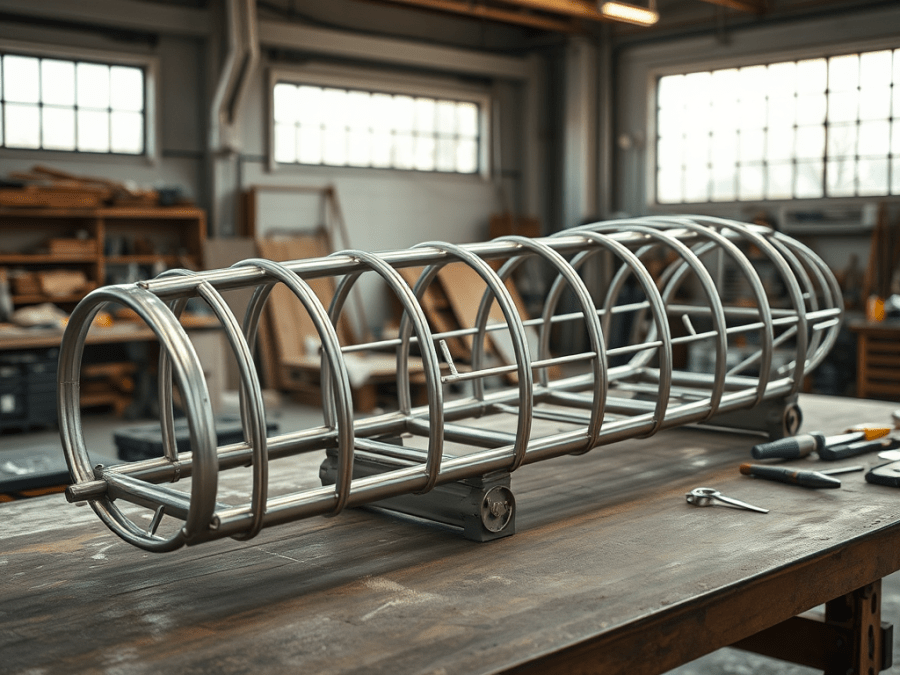
The article discusses aircraft fuselage construction, highlighting methods such as wood, aluminum, and steel tube. It focuses on the Pratt and Warren Truss designs, emphasizing the construction process, including layout, joint formation, and welding techniques. The project requires approximately 40 hours, offering a rewarding experience in building an airplane fuselage.

Aircraft Engine TBO

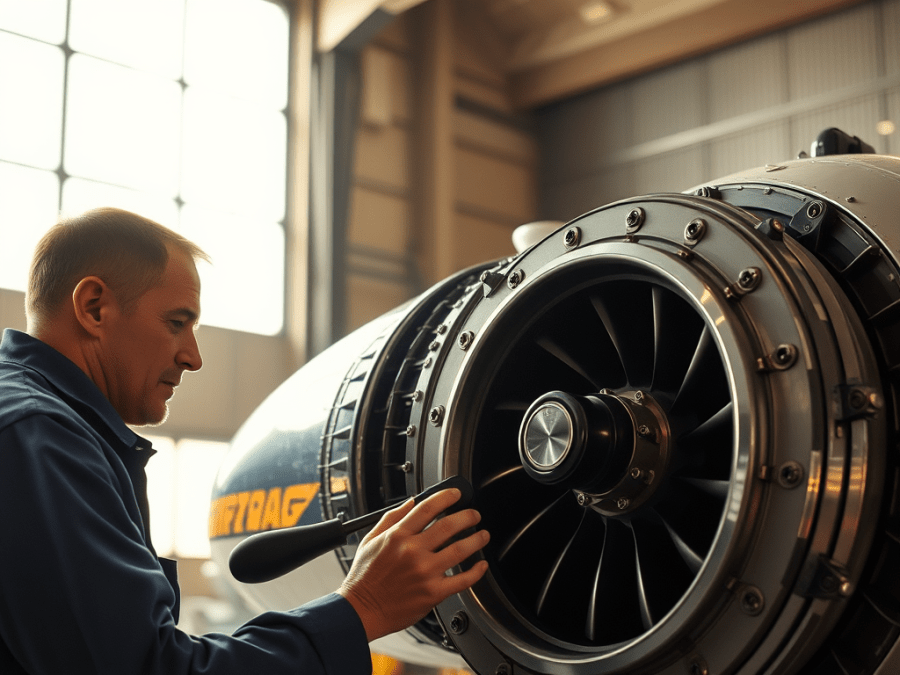
The discussion highlights the complexities surrounding engine overhaul intervals, particularly for aircraft exceeding their Time Between Overhaul (TBO). Factors influencing TBO include maintenance practices and environmental conditions. Current regulations allow non-commercial aircraft to exceed TBO without mandatory changes, yet careful evaluation is advised to ensure safety and performance.

Prop Up Your Plane

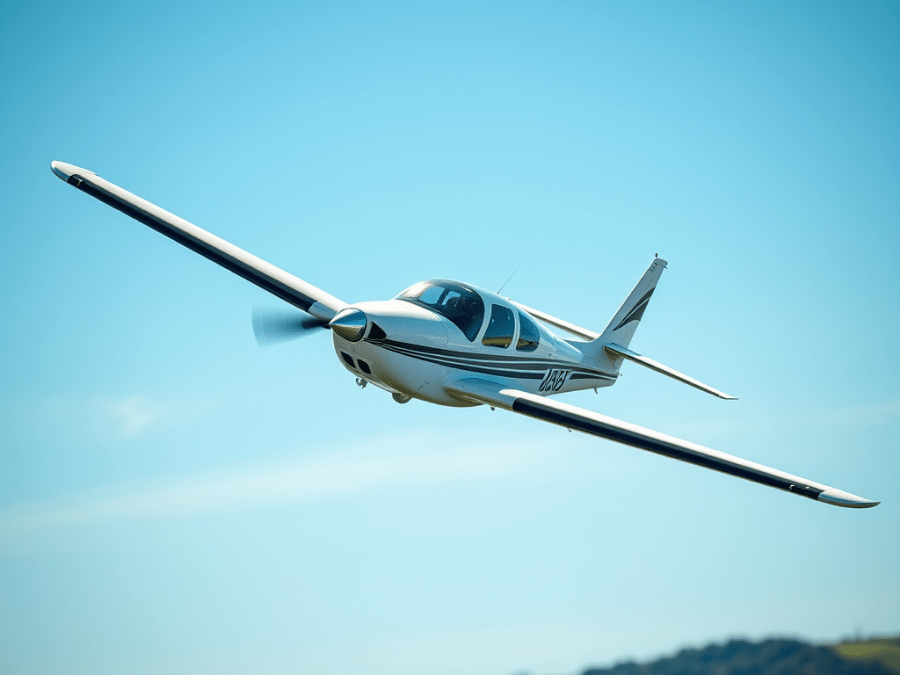
The article discusses the importance of choosing the right propeller for different aircraft engines, specifically focusing on the Rotax engine. It highlights the impact of using the wrong propeller, the significance of RPM in achieving maximum thrust, and the preference for fewer blades for efficiency. It also touches on the potential of adjustable pitch propellers for improved fuel economy and the factors to consider when selecting a propeller. The writer emphasizes the role of compromises in determining the most suitable propeller for specific aircraft models and encourages investment for enhanced performance.

Hot, High and Humid – Safety Corner

Aircraft performance is greatly influenced by density altitude, impacting take-off distance and rate of climb. Manufacturer claims are based on standard conditions, but real-world factors like temperature and altitude can double take-off distance and reduce climb rates. Other considerations include airfield conditions, wind, and angle of climb. Understanding density altitude is crucial for maximizing aircraft performance.

Ballistic Parachutes II – Fly Paper

In this month's patter, Ernie Smith from Transport Canada suggests a safer circuit entry procedure. The A.I.P. manual provides details on parachute safety devices for ultralights, covering ballistic cannisters, rocket deployed devices, and spring-loaded cannisters. Each has advantages and disadvantages, emphasizing the need for careful selection and maintenance to ensure safety.