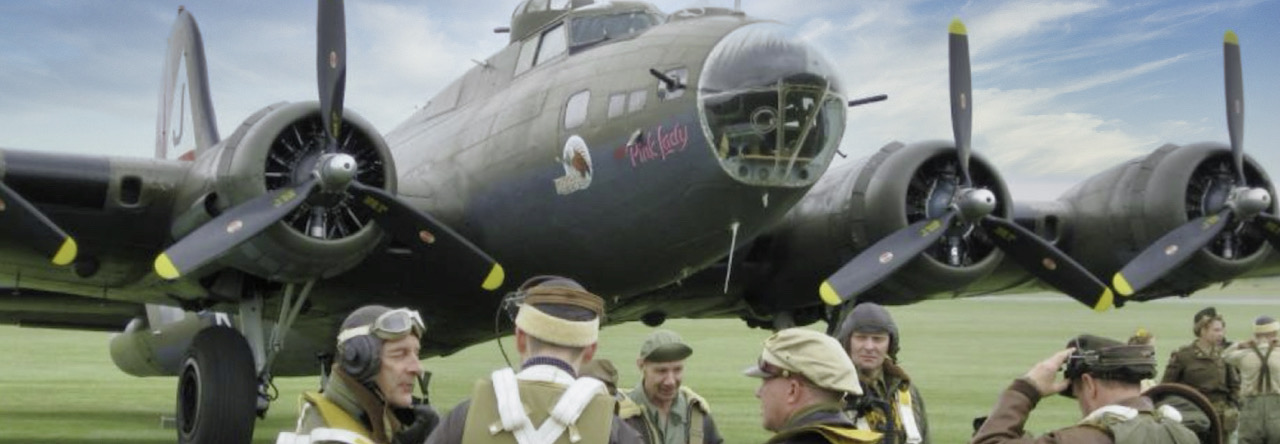
Every year, Glenn and Alice and their big extended family, put on a fantastic and well organized event. It was well attended and everyone had a great time. I’m already looking forward to next year, the 30 Annual event!
Promoting the safe enjoyment of aviation for pilots, aircraft builders and enthusiasts.
Every year, Glenn and Alice and their big extended family, put on a fantastic and well organized event. It was well attended and everyone had a great time. I’m already looking forward to next year, the 30 Annual event!
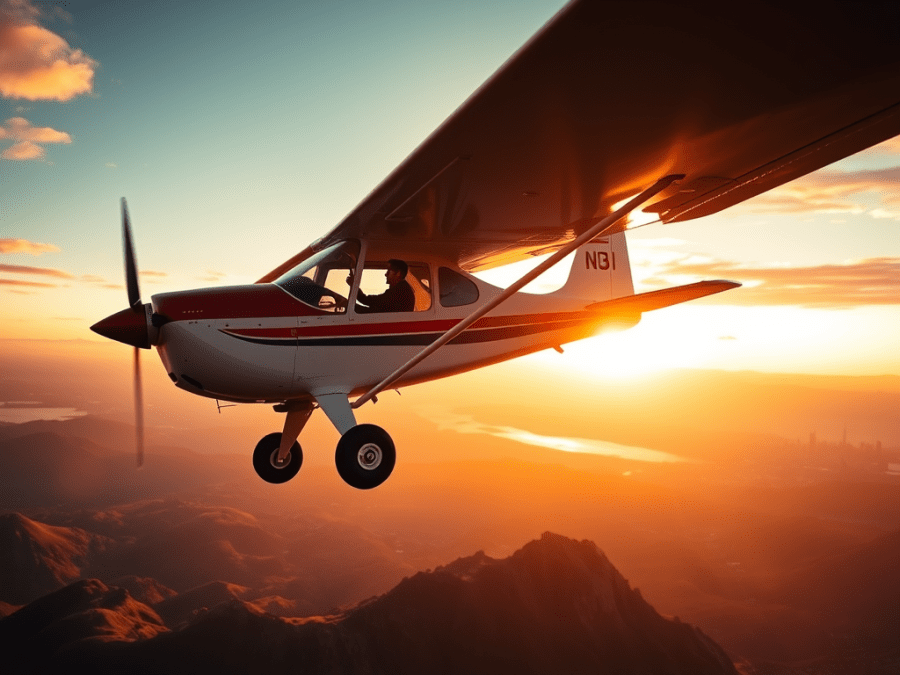
The author reflects on 39 years of flying, sharing personal highlights that emphasize memorable experiences and adventures rather than mere milestones. Key moments include a marriage proposal mid-flight, a significant journey to San Francisco, flying a Boeing 737 simulator, and participating in club activities, underscoring the importance of community in his aviation journey.
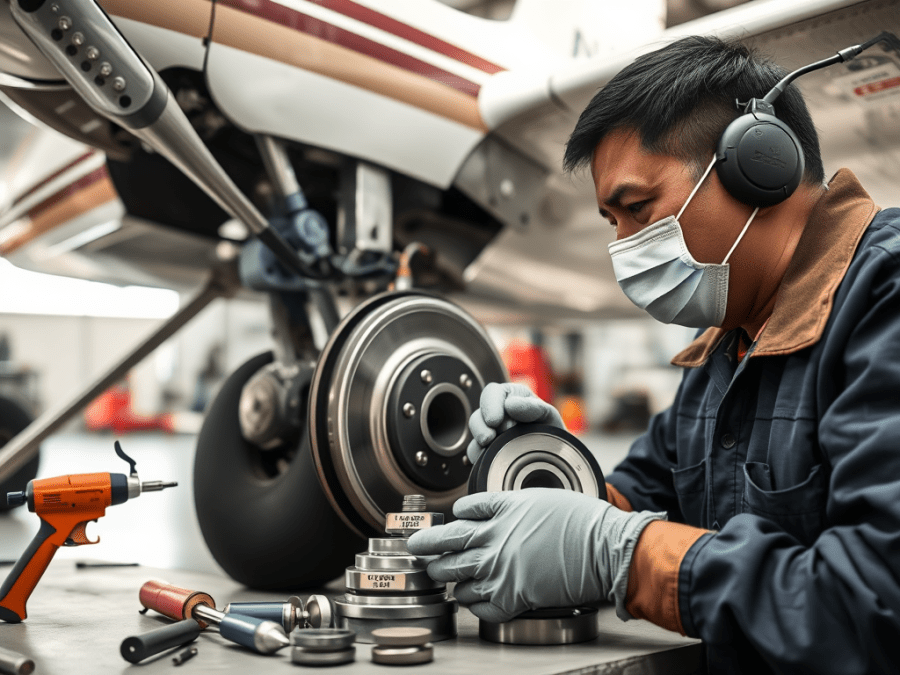
Regular airframe maintenance should include checking brakes and repacking wheel bearings, ideally annually. Ignoring this can lead to costly repairs. The task involves cleaning and greasing components, with specific tools and materials required. Accurate maintenance logs and part identification are crucial. Inspect brakes while servicing to ensure overall safety.
While flying at 5000 feet, the author experienced engine roughness and sputtering, prompting an emergency descent. After investigating potential causes, he discovered severe lead fouling in the spark plugs, attributed to changes in flying habits and the use of 100 low-lead fuel. He replaced the plugs, cleaned others, and improved engine performance by flying at higher RPMs.
The author describes a flight in a Bishcaddy L164 aircraft that experienced uncontrollable vibrations during descent. After landing safely, they discovered significant damage to the wings, indicating a need for reconstruction. Despite the incident, no one was harmed, and the author remains optimistic about the airplane's repair, highlighting its prior reliability.
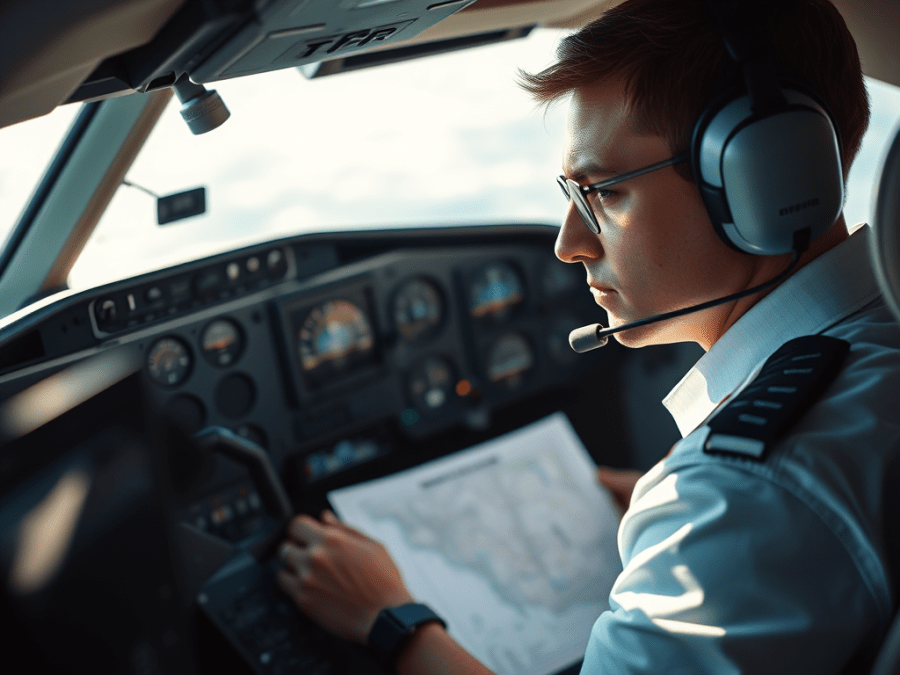
The content outlines the distinctions between IFR and VFR flying, emphasizing the importance of planning for IFR. Key steps include selecting routes, verifying waypoints, and having an alternate airport. It highlights the necessity of filing flight plans with ATC, using updated navigational tools, and provides insights into approaching both small and large airports effectively.
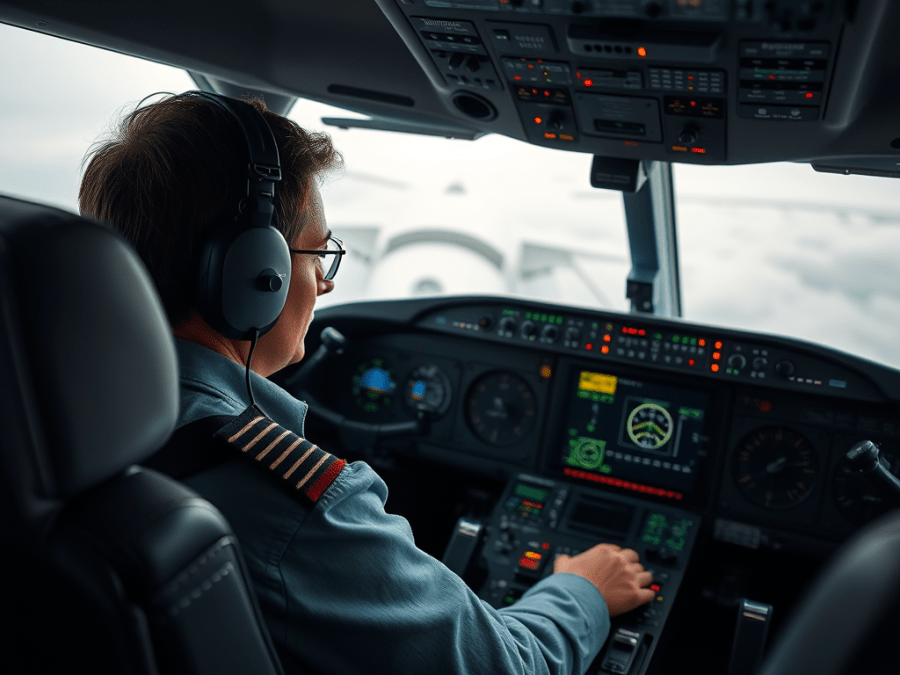
To become an airline pilot, obtaining a Group 1 IFR rating in Canada is essential, requiring 40 hours of instrument training, including 20 hours in a multi-engine plane. IFR flying entails detailed flight planning and reliance on instruments rather than visual cues, with GPS now being the primary navigation method.
The prospect of flying a multi-engine airplane has always fascinated me. Pursuing this as a career requires obtaining a multi IFR or Group 1 IFR rating. While the flight test exercises are simpler than those for a private pilot's license, muscle memory is crucial due to the complexity and speed of the aircraft. The process includes various challenging exercises, such as managing failed engines and landing with simulated emergencies. If successful, this endeavor will lead to a new rating and the opportunity to continue Multi IFR training.
The airfield near the coulee, unmarked on the map, took Stu Simpson and his friends on a nostalgic flight to Linden. Welcomed with warmth and generosity, they enjoyed a pancake breakfast and participated in the town's festivities. Departing with fond memories, they left Linden where time seemed to stand still.
The writer, Stu Simpson, shares his passion for ultralight airplanes, highlighting their affordability and the joy of flying. He reflects on his experiences with different ultralights, from adventurous trips to building his own plane. He particularly loves his current plane, the Green Giant, for its capabilities and the sense of adventure it provides.