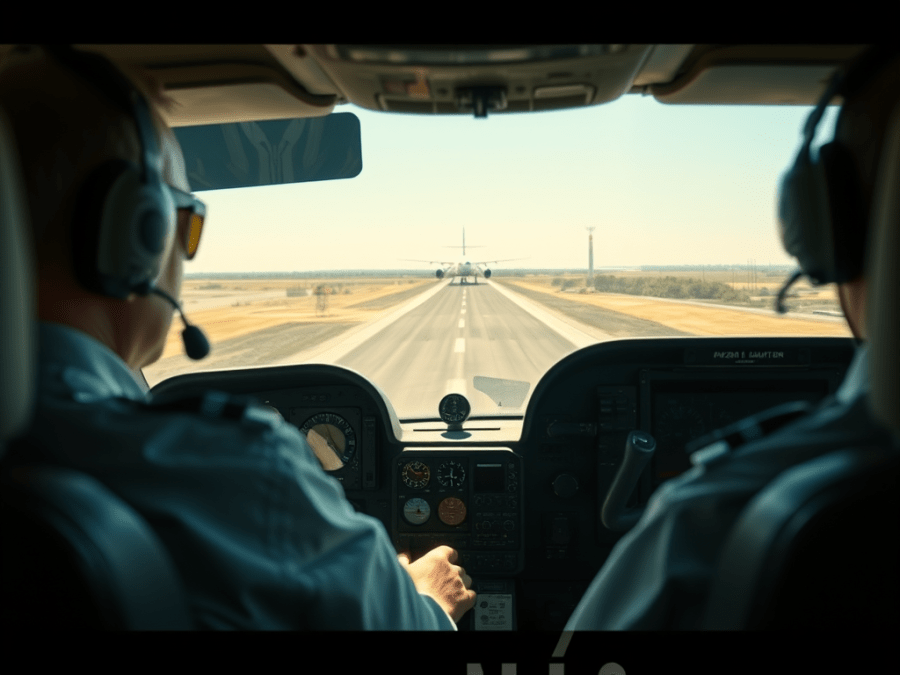
Pilot Tip: Stabilized Approach

A stabilized approach is essential for safe landings, as it ensures consistent airspeed, configuration, and glidepath during final approach, ideally from 500 feet above the runway. An unstabilized approach, characterized by changes in these variables, increases the risk of accidents. If unstable, pilots should prefer to go around rather than attempt a landing.


Anonymous tongue-in-cheek article

The Ground-loop is a popular, acrobatic maneuver in aviation, often executed unexpectedly and from various speeds, primarily during landing. While its performance is typically unscored due to visibility issues, it showcases historical significance in aerobatics. Preparation entails minimal pilot intervention and certain aircraft modifications. It can be varied creatively, leading to entertaining displays.

Pilot Tip: Smoother Landings

Tom Turner offers advice for achieving smoother landings, emphasizing that a successful landing stems from a good approach. Key elements include maintaining correct speed, proper configuration, and glide-path. Pilots should focus on the runway's far end, adjust control inputs accordingly, and hold back pressure during landing to ensure accuracy and smoothness.

Overnight Camping Airplane style

After a year of planning, a group of pilots successfully flew to a campsite under the wing of their planes for an overnight adventure. Despite previous challenges, including a failed attempt due to engine issues, they enjoyed a weekend of camaraderie, cooking, and storytelling while camping in the scenic Alberta wilderness, agreeing to make it an annual event.

Just Off My Wing

In 2016, Bob Kirkby sought to reclaim a biplane he once owned, the Stolp Starduster Too. After purchasing it in Oklahoma, he enlisted a friend to help retrieve it safely across 1200 miles. Despite weather and mechanical setbacks, the adventure concluded successfully with warm welcomes upon their return to Canada and new memories made.

Pilot Tip: Go Straight or Turn Back?

The content discusses the critical decision pilots face during engine failure on takeoff, emphasizing that attempting to return to the airport often leads to fatal stalls or spins. It advocates for mental preparation through pre-takeoff briefings, assessing landing options, and knowing safe altitudes, ultimately discouraging dangerous turns back to the airport.

Practiced Forced Landings

As spring flying season begins, the author emphasizes the crucial practice of forced landings in ultralight training. Despite initial fears, practicing this skill proved invaluable during real emergencies. The article outlines key factors for selecting landing fields, reinforcing the importance of staying calm and prioritizing flying the plane in such situations.

Flying the Carbon Cub Ex2

The author reflects on seven months of flying their Carbon Cub, detailing various adventures and techniques for navigating diverse terrains like gravel bars, snow, and lakes. Emphasizing spontaneity, they share insights on safe landings and takeoffs while enjoying the unique experience of bush flying, valuing exploration over travel.