Getting A Multi-Engine Rating

The prospect of flying a multi-engine airplane has always fascinated me. Pursuing this as a career requires obtaining a multi IFR or Group 1 IFR rating. While the flight test exercises are simpler than those for a private pilot's license, muscle memory is crucial due to the complexity and speed of the aircraft. The process includes various challenging exercises, such as managing failed engines and landing with simulated emergencies. If successful, this endeavor will lead to a new rating and the opportunity to continue Multi IFR training.

“I Could Do This Forever”

Stu Simpson and his friend, referred to as "the Beeve", take off from Kirkby Field with no set destination in mind. Simpson's easily distracted nature leads him to visit Bailey's Field, a strip that holds a special fascination for him. As he continues to Indus, he enjoys the deserted skies and perfect landings. Upon encountering other pilots, they engage in a playful aerial dogfight before deciding to fly back to Kirkby's together. The day ends with new acquaintances and a sense of longing for more flying adventures.

Mountain Flight Planning in Winter

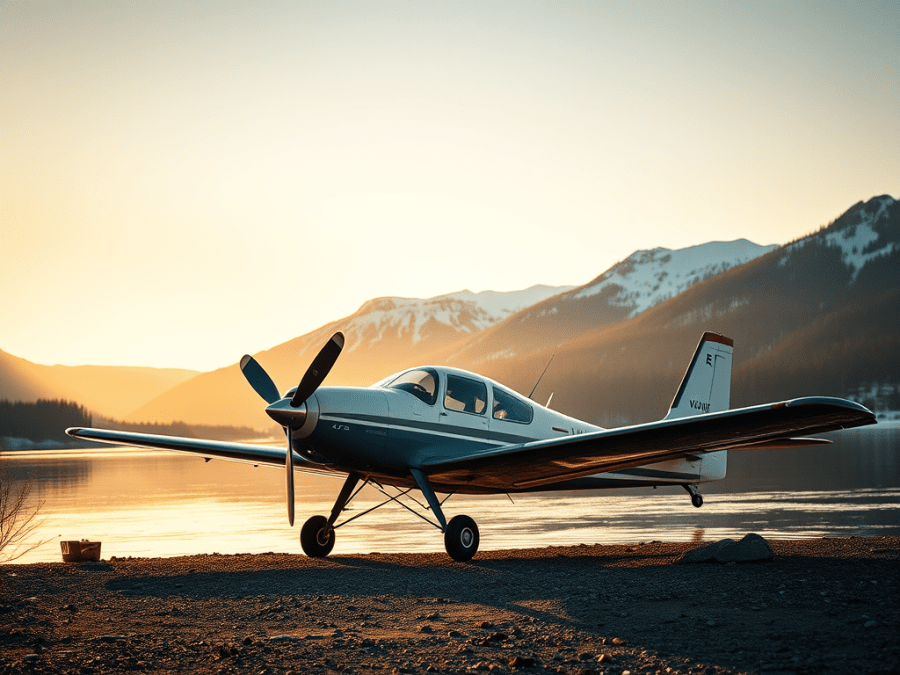
Brian Vasseur meticulously planned the delivery of a Zenair CH250, consulting with pilot Stu Simpson and using various flight planning tools. They carefully crafted a route, prepared for potential survival situations, and successfully delivered the aircraft to its new owner. Vasseur's thorough plan included survival gear and route adjustments based on weather and terrain, ensuring a safe trip.

Pilot Tip: Common Go-Around Mistakes

The user experienced unexpected difficulty controlling their Cirrus SR22 during a go-around, recalling smoother training. The response emphasizes the importance of proper power application and managing pitch and yaw during rejected landings. It advises pilots to anticipate control challenges, trim appropriately, and practice go-arounds to enhance safety and confidence.

CAVU Dreams (2015-04)

Ken provides an update on his recovery progress after an injury, highlighting his regained mobility and newfound freedom to drive. He details a big purge in preparation for building a new RC model kitplane and reflects on investigating two mysteries related to a recent crash. He expresses gratitude for a lifetime club membership.

CAVU Dreams (2012-03)

The month was productive for flying, despite mild winter weather and snow. While many pilots need maintenance before spring flights, annual inspections become busy from March to June. Plans for the aircraft include a 500-hour magneto check and potential ski installation. Options for skis range from expensive retail to self-built designs.

CAVU Dreams (2011-10)

September was filled with enjoyable flying experiences, including a successful "Fly for Pie" event that raised $305 for the COPA Freedom-to-Fly Fund, featuring various aircraft. Despite weather challenges, the postponed COPA for Kids day proceeded well. Additionally, work resumed on the Buttercup plane, tackling landing gear installation difficulties.

Flying the Boeing 737 Simulator

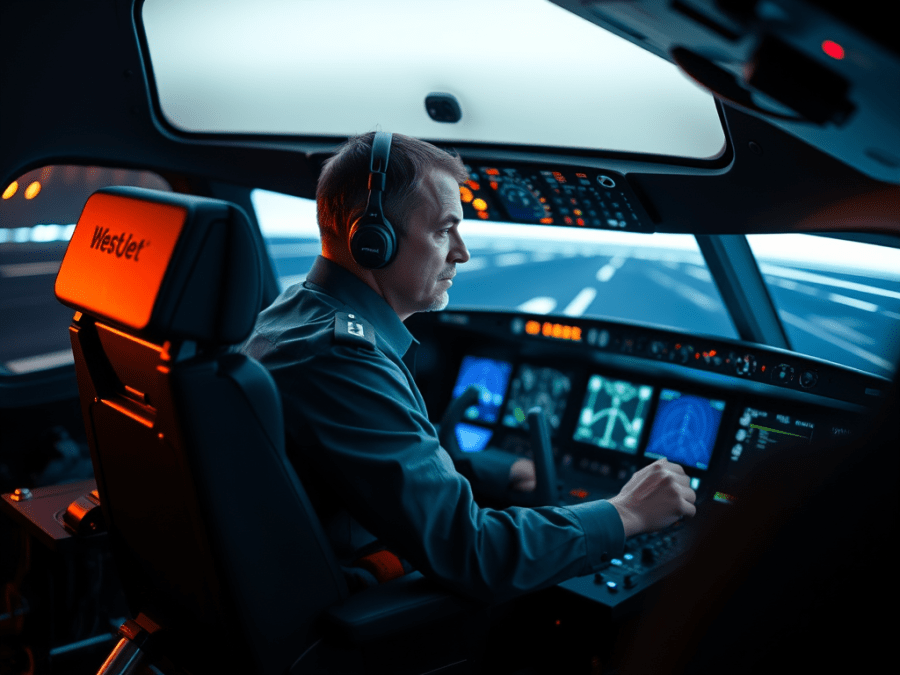
Captain Wade Miller of WestJet Airlines, a seasoned 737 pilot and instructor, shared a unique simulator experience with a friend. After extensive preparation, they operated a state-of-the-art Boeing 737 simulator, navigating challenges and executing takeoffs and landings. The session offered valuable insights into the intricacies of commercial flying, enhancing their appreciation for the aircraft's complexity.

CAVU Dreams (2010-12)

The author shares the evolution of their Christavia MK 1 aircraft since 2004, detailing numerous modifications aimed at improving performance and safety. Key changes included weight reduction, enhanced avionics, and landing gear upgrades. They also outline future projects involving a new aircraft, emphasizing ongoing innovation and technical improvements in aviation.