Pilot Tip: Trimming Your Airplane

Elevator trim adjustment is crucial for maintaining aircraft attitude during flight, especially when power or airspeed changes. Proper technique involves establishing pitch attitude with controls and then trimming to relieve pressure. Avoid trimming during the landing flare to prevent difficulties in go-arounds. Utilizing aileron and rudder trim enhances hands-off flight.

Bugs, Ugh!

The author reflects on flying their Rihn DR-107 and the challenges faced due to unexpected performance issues during aerobatics and landings. A buildup of insects on the wings contributed to these problems, highlighting the importance of keeping the aircraft clean. After cleaning the wings, the plane performed as expected, restoring confidence.

Pilot Tip: Stabilized Approach

A stabilized approach is essential for safe landings, as it ensures consistent airspeed, configuration, and glidepath during final approach, ideally from 500 feet above the runway. An unstabilized approach, characterized by changes in these variables, increases the risk of accidents. If unstable, pilots should prefer to go around rather than attempt a landing.

Anonymous tongue-in-cheek article

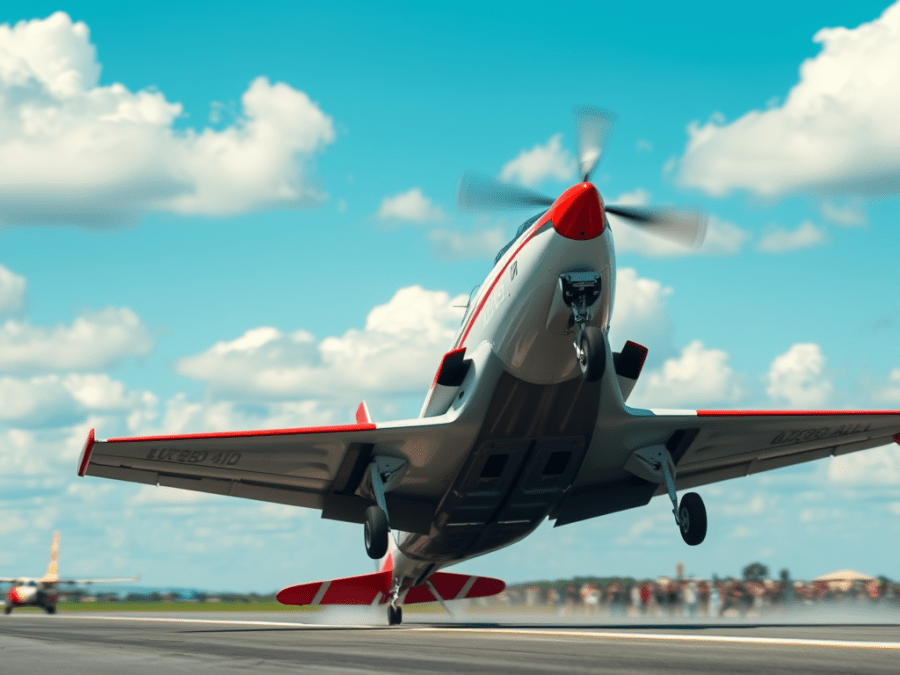
The Ground-loop is a popular, acrobatic maneuver in aviation, often executed unexpectedly and from various speeds, primarily during landing. While its performance is typically unscored due to visibility issues, it showcases historical significance in aerobatics. Preparation entails minimal pilot intervention and certain aircraft modifications. It can be varied creatively, leading to entertaining displays.

Pilot Tip: Smoother Landings

Tom Turner offers advice for achieving smoother landings, emphasizing that a successful landing stems from a good approach. Key elements include maintaining correct speed, proper configuration, and glide-path. Pilots should focus on the runway's far end, adjust control inputs accordingly, and hold back pressure during landing to ensure accuracy and smoothness.