Risk Management: It’s a Personal Thing

The essence of flying revolves around risk management, where each pilot must assess personal limits and make informed decisions. While flying carries inherent risks, it provides more control compared to other activities, like driving. Pilots navigate challenges, such as flying over water or mountains, by carefully evaluating their comfort zones and preparation strategies, ensuring safety while pursuing their passion.

Completion of the Carbon Cub EX2

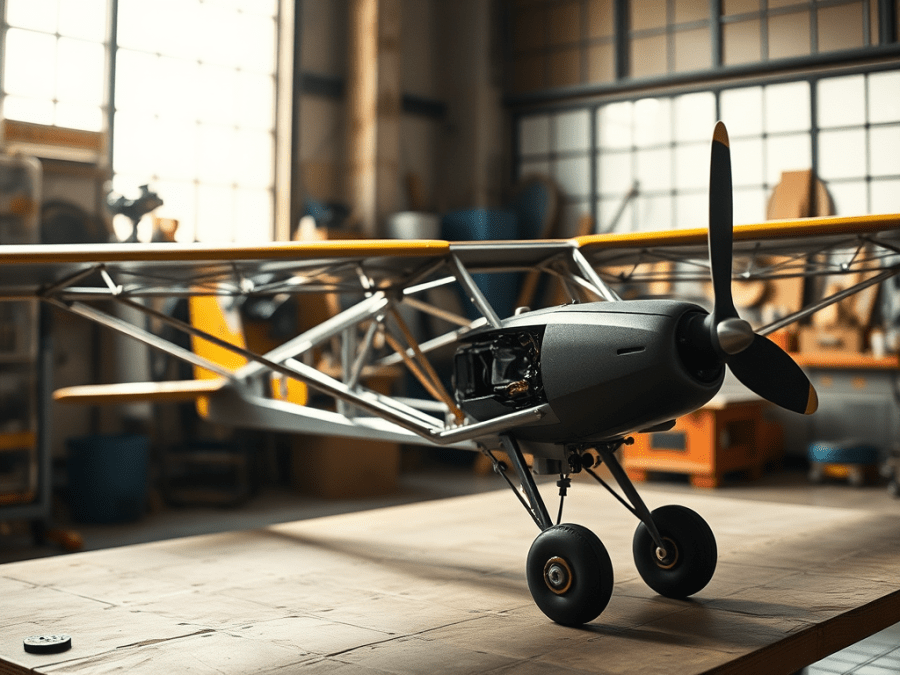
In August 2015, I began building my Carbon Cub EX2 kit, encountering part shortages and quality issues. Despite the challenges, including paint contamination and scheduling setbacks, I invested 1000 hours over 10.5 months. After successful test flights in varied conditions, I found the aircraft enjoyable and a great addition to my flying repertoire.

Linden Sports Day

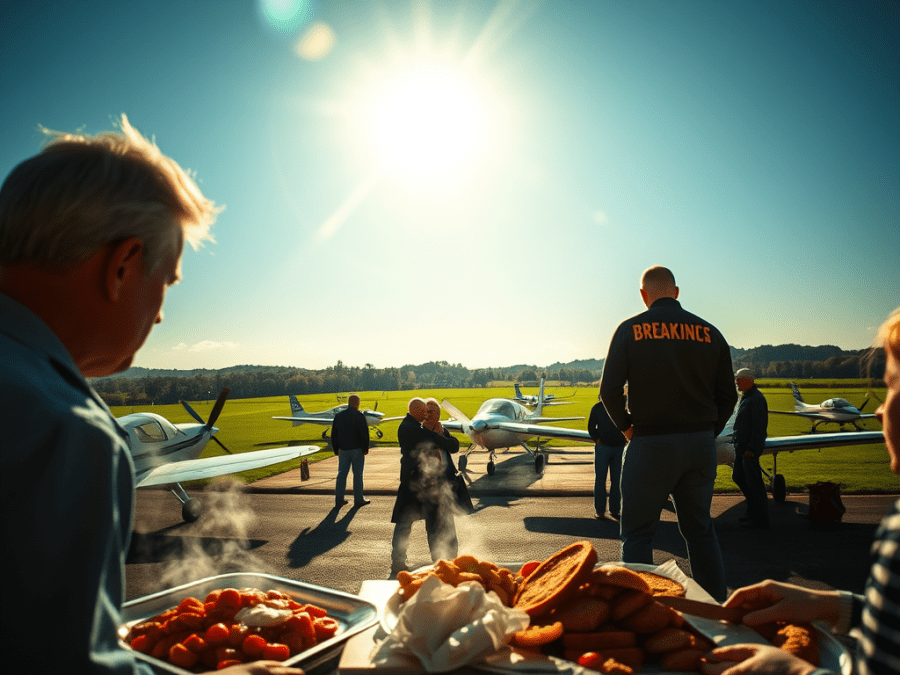
On June 5th, Linden Sports Day invited nearby flying clubs, raising safety concerns for some flyers. A past near-miss incident highlighted dangers at busy events. Safety protocols, including flight planning and familiarization with airport procedures, are vital. Despite concerns, participants enjoyed a pleasant breakfast before returning home after the event.

Late Winter Mountain Flight

On March 20th, club members flew into the Rockies, marking a winter flying experience. Piloted by Katerina Zima, the journey included eight pilots and six planes, showcasing the CRUFC's capabilities. After lunch in Invermere, they returned via Calgary, enjoying scenic views and gaining valuable flying experience. The day concluded with a smooth landing at Kirkby's.

The View from the right seat

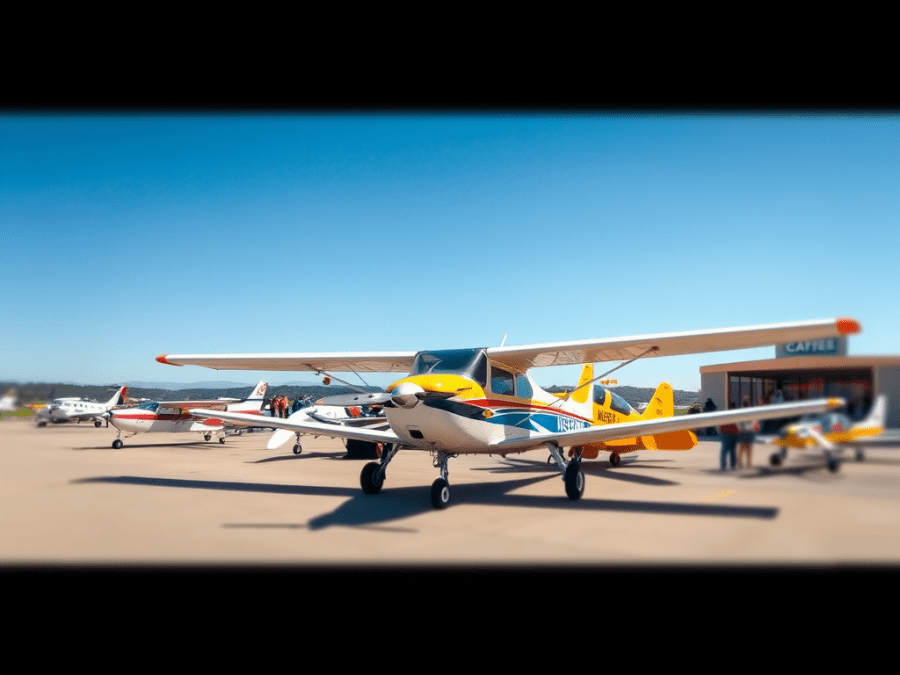
Pilots in the club agree that aviation is best enjoyed together. Despite personal health challenges, the author cherished flying hours beside a yellow savage cub and enjoyed a scenic flight in a Cessna 195 to Red Deer with friends. They relished lunch at the Circuit Café after arriving with multiple planes.

Flying by Feel

The author reflects on the evolution of ultralight aircraft and personal flying experiences, particularly the importance of instruments. Despite lacking instruments initially, the author learned to fly by feel. After experiencing an instrument failure, the author successfully managed the flight using GPS, reinforcing the value of understanding one's aircraft and safety protocols.

Selling a Plane?

Tom, an inexperienced airplane seller, sought advice while trying to sell his aircraft. Effective selling factors include the plane's saleability, timing, price, and thorough advertising. Key steps involve preparing a detailed sales package, being honest about the plane's condition, and utilizing various online platforms to reach potential buyers. Patience is essential.

From the Cockpit (2015-12)

In December 2013, Bashar reflects on his two-year presidency at CRUFC, emphasizing personal growth and club initiatives promoting aviation. Key points include engaging members, encouraging women in flying, addressing youth interest, and the need for more ultralight instructors. He concludes with a call to protect flying freedoms and wishes members a happy winter flying season.