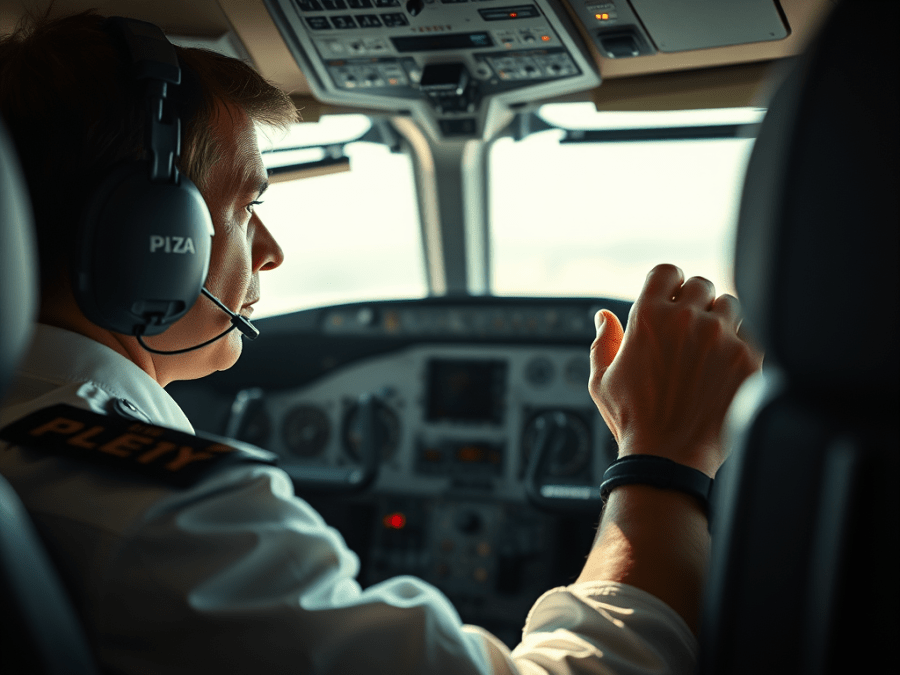
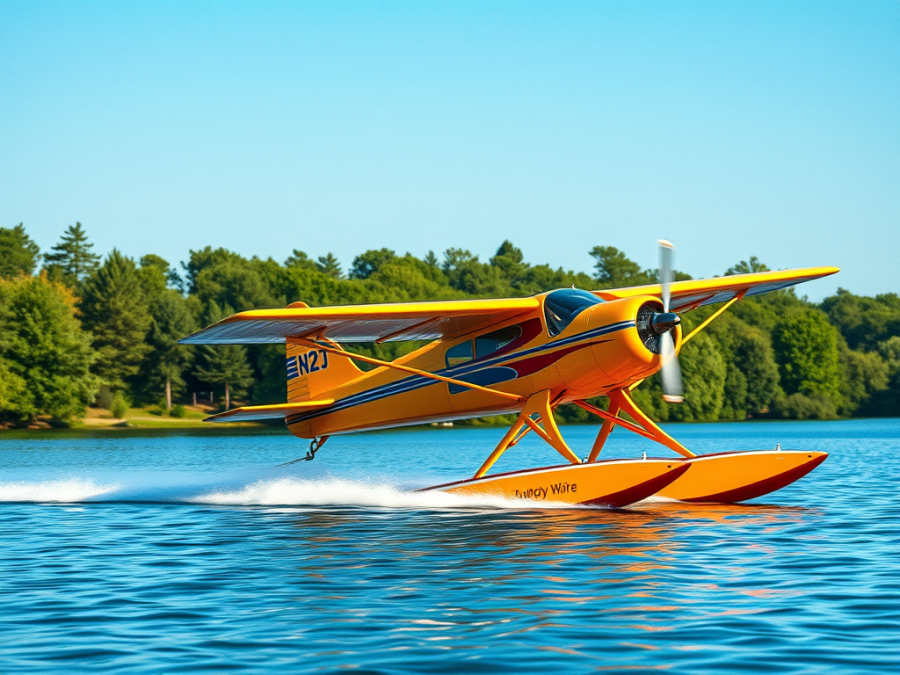
So you want to be a test pilot?

The flight-testing procedure for new aircraft designs raises critical questions about the designers' competence, testing methods, and safety implications. Homebuilders and modifications also present significant risks, emphasizing the importance of stringent checks and professional oversight. Ultralight pilots' awareness of these dangers, annual inspections, and weight and balance considerations are crucial for safe aviation.

Pilot Tip: Set Pitch Trim in One Shot

In flight training, it's common to have trouble trimming the airplane. An important rule to remember is to wait at least five seconds after changing pitch, power, or configuration before adjusting the elevator trim. This prevents frequent, unnecessary adjustments and ensures the airplane is properly trimmed. Additionally, there are exceptions to the five-second rule, such as when performing a go-around.

Pilot Tip: Trimming Your Airplane

Elevator trim adjustment is crucial for maintaining aircraft attitude during flight, especially when power or airspeed changes. Proper technique involves establishing pitch attitude with controls and then trimming to relieve pressure. Avoid trimming during the landing flare to prevent difficulties in go-arounds. Utilizing aileron and rudder trim enhances hands-off flight.

CAVU Dreams (2012-08)

The newsletter reflects on summer flying adventures and highlights the maiden flight of a newly built Murphy Rebel by the author's father. Initial minor issues were resolved, and Transport Canada approved a higher gross weight limit. The father completed the 25-hour test flight period and awaits more flights, including a trip to Newfoundland.

Ballistic Parachutes I – Fly Paper

The author expresses congratulations to President Paul Hemingson and discusses the vital importance of ballistic parachutes as safety equipment for ultralight aircraft. Despite initial strong convictions, the author observes a declining trend in installations due to lack of recent incidents. The need for chutes is highlighted in the event of in-flight emergencies like control failure or mid-air collision.