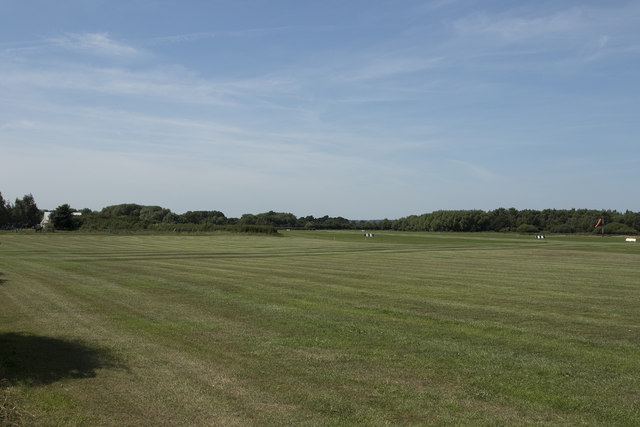
Pilot Tip: Stabilized Approach

A stabilized approach is essential for safe landings, as it ensures consistent airspeed, configuration, and glidepath during final approach, ideally from 500 feet above the runway. An unstabilized approach, characterized by changes in these variables, increases the risk of accidents. If unstable, pilots should prefer to go around rather than attempt a landing.

Night Rating

The author shares experiences flying their RV10, highlighting summer trips and the decision to pursue a night rating. They detail the challenges and thrills of night flying, including instrument reliance and overcoming weather issues. The process of acquiring skills is ongoing, with future IFR training planned despite family time constraints, enhancing safety as a priority.

Safety vs Precautionary Landings – Safety Corner

The content discusses forced landings and precautionary landings for pilots. It emphasizes the importance of memorizing emergency procedures and the need for repeated practice. It also highlights the significance of planning and preparation for landing at unfamiliar airstrips. The author stresses the value of familiarity with various landing situations to ensure safe flying.

Safety Corner – What’s Your Style?

The author reflects on the unique flying styles of pilots, influenced by attitudes, approaches, and physical coordination. They highlight the impact of early training, the significance of attitudes towards safety, and the need to adapt styles to different conditions for enhanced safety. Ultimately, the focus remains on safety and responsible decision-making in aviation.

Forced Landing – Safety Corner

In this article, the author shares the wisdom of pilots in handling forced landings, particularly due to engine failures. They emphasize the importance of preparedness, selecting landing sites, and planning the approach. The steps outlined include maintaining speed, choosing a field, planning the approach, cause check, restart attempt, and concentrating on the landing.