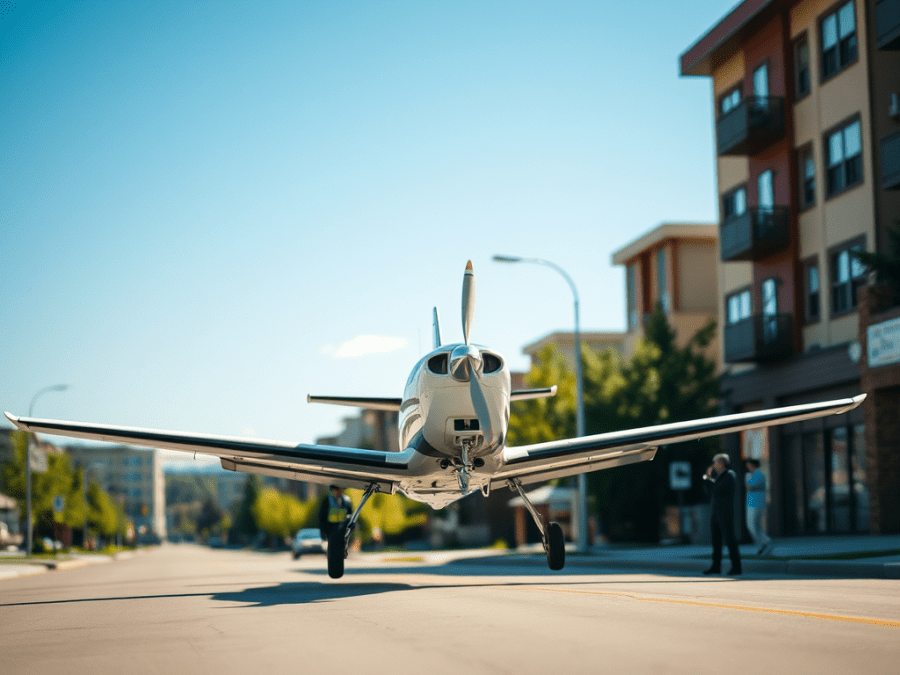
Aileron flutter

The author describes a flight in a Bishcaddy L164 aircraft that experienced uncontrollable vibrations during descent. After landing safely, they discovered significant damage to the wings, indicating a need for reconstruction. Despite the incident, no one was harmed, and the author remains optimistic about the airplane's repair, highlighting its prior reliability.

Pilot Tip: Set Pitch Trim in One Shot

In flight training, it's common to have trouble trimming the airplane. An important rule to remember is to wait at least five seconds after changing pitch, power, or configuration before adjusting the elevator trim. This prevents frequent, unnecessary adjustments and ensures the airplane is properly trimmed. Additionally, there are exceptions to the five-second rule, such as when performing a go-around.

Pilot Tip: Trimming Your Airplane

Elevator trim adjustment is crucial for maintaining aircraft attitude during flight, especially when power or airspeed changes. Proper technique involves establishing pitch attitude with controls and then trimming to relieve pressure. Avoid trimming during the landing flare to prevent difficulties in go-arounds. Utilizing aileron and rudder trim enhances hands-off flight.

Pilot Tip: Stabilized Approach

A stabilized approach is essential for safe landings, as it ensures consistent airspeed, configuration, and glidepath during final approach, ideally from 500 feet above the runway. An unstabilized approach, characterized by changes in these variables, increases the risk of accidents. If unstable, pilots should prefer to go around rather than attempt a landing.

Pilot Tip: Smoother Landings

Tom Turner offers advice for achieving smoother landings, emphasizing that a successful landing stems from a good approach. Key elements include maintaining correct speed, proper configuration, and glide-path. Pilots should focus on the runway's far end, adjust control inputs accordingly, and hold back pressure during landing to ensure accuracy and smoothness.

Practiced Forced Landings

As spring flying season begins, the author emphasizes the crucial practice of forced landings in ultralight training. Despite initial fears, practicing this skill proved invaluable during real emergencies. The article outlines key factors for selecting landing fields, reinforcing the importance of staying calm and prioritizing flying the plane in such situations.

Flying by Feel

The author reflects on the evolution of ultralight aircraft and personal flying experiences, particularly the importance of instruments. Despite lacking instruments initially, the author learned to fly by feel. After experiencing an instrument failure, the author successfully managed the flight using GPS, reinforcing the value of understanding one's aircraft and safety protocols.