Top Ten

The author reflects on 39 years of flying, sharing personal highlights that emphasize memorable experiences and adventures rather than mere milestones. Key moments include a marriage proposal mid-flight, a significant journey to San Francisco, flying a Boeing 737 simulator, and participating in club activities, underscoring the importance of community in his aviation journey.

Brakes and Bearings Part 1

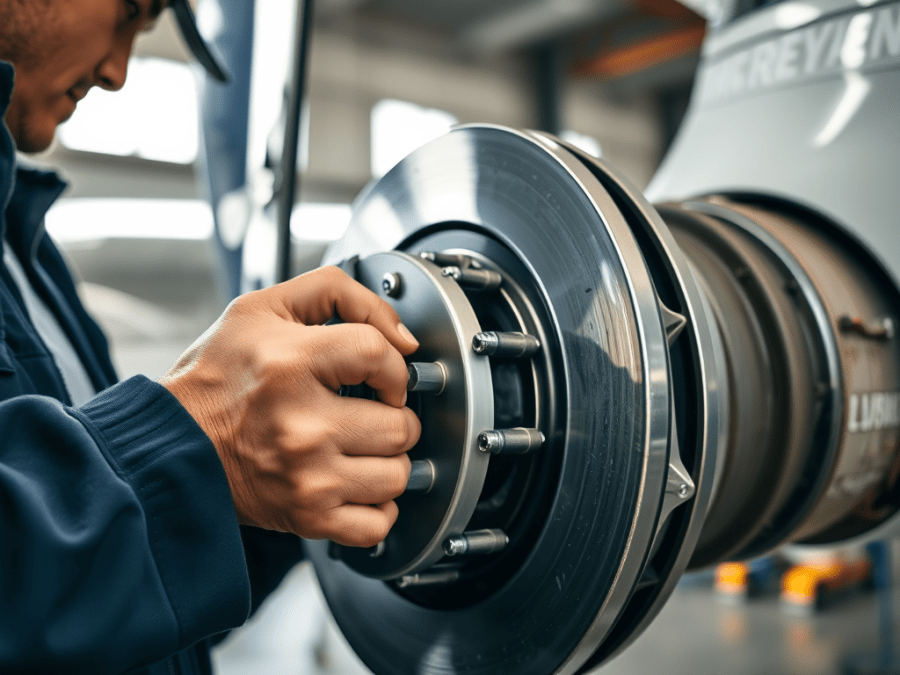
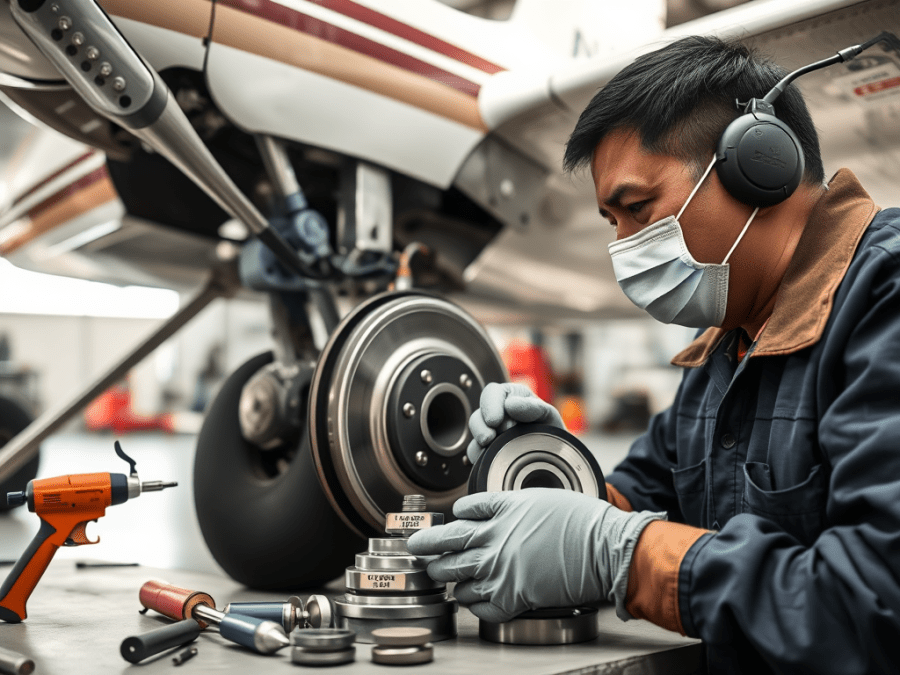
Regular airframe maintenance should include checking brakes and repacking wheel bearings, ideally annually. Ignoring this can lead to costly repairs. The task involves cleaning and greasing components, with specific tools and materials required. Accurate maintenance logs and part identification are crucial. Inspect brakes while servicing to ensure overall safety.

A Motor Most Foul

While flying at 5000 feet, the author experienced engine roughness and sputtering, prompting an emergency descent. After investigating potential causes, he discovered severe lead fouling in the spark plugs, attributed to changes in flying habits and the use of 100 low-lead fuel. He replaced the plugs, cleaned others, and improved engine performance by flying at higher RPMs.

Takeoff Performance Skepticism

The discussion emphasizes the importance of adding a safety margin when estimating takeoff performance from POH distances. While personal measurements may align closely with POH figures for some pilots, factors like pilot technique, wind, and density altitude must be carefully considered. Testing performance under different conditions is crucial for safety.

ADS-B User Report

The author reflects on four years of using the EchoUAT ADS-B system in their Cavalier aircraft, highlighting its safety benefits and superior situational awareness. Although ADS-B's necessity varies by airspace, the author finds significant value in conflict avoidance and real-time traffic information, asserting the system's positive impact on flying safety and investment worthiness.

IFR Considerations

Flying IFR requires a certified aircraft and specific equipment, including a dual-com radio, GPS, navigation radio, and necessary instruments. Costs range from $25-$30K for homebuilts to higher for certified planes, plus maintenance fees. Staying current is vital for safety, especially as IFR conditions increase risks like ice. Consider frequency of use before investing.

Decisions & Responses

In March 2024, Norm Vienneau discovered a Barnstormer's ad for a complete S6 kit in Campbell River, BC. Accompanied by Wayne Clark, the author inspected the kit, which lacked an engine and instruments. They detail the wing construction, covering methods, and painting process, nearing completion except for engine installation.

IFR Flying

In March 2024, Norm Vienneau discovered a Barnstormer's ad for a complete S6 kit in Campbell River, BC. Accompanied by Wayne Clark, the author inspected the kit, which lacked an engine and instruments. They detail the wing construction, covering methods, and painting process, nearing completion except for engine installation.