
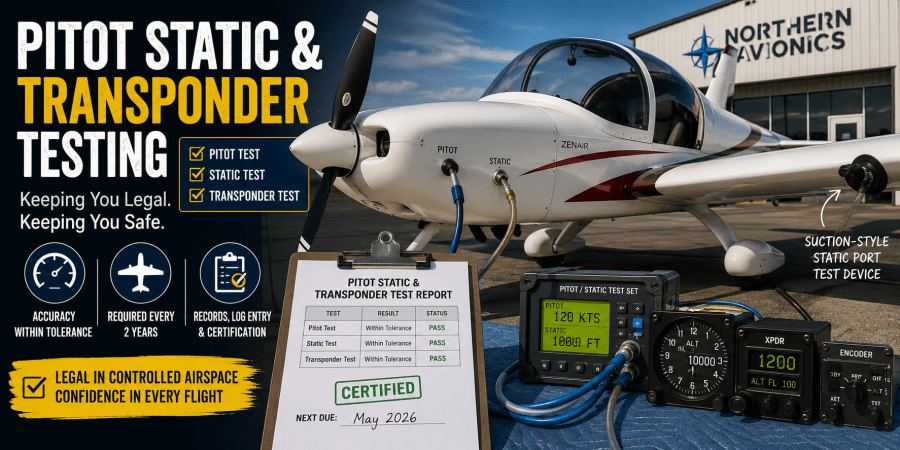
Part of the costs of owning an airplane is the regular recertifications that have to take place. One of the items that often gets overlooked by both homebuilt and certified owners is the Pitot Static test.
This is a test that happens every 2 years to the devices connected to the pitot and static ports of your plane and the transponder. It’s not cheap but it’s required to be legal in controlled airspace.
This year it was time for the Zenair to be renewed and I arranged with Northern Avionics to get it done. This was convenient because they are across the taxiway from me in Springbank.
The first requirement is to remove the Altimeter, Transponder, and Encoder for these to be individually tested. The controllers at Springbank are very particular and they will tell you quite firmly if you are not at the right altitudes. If you have a certified plane, the avionics shop has to do the removal and reinstall, but with a homebuilt, I can do that myself, which saved me paying for about an hour of work. Once these units are tested and recertified, and repaired if they are not recertified, then a full system test is required.
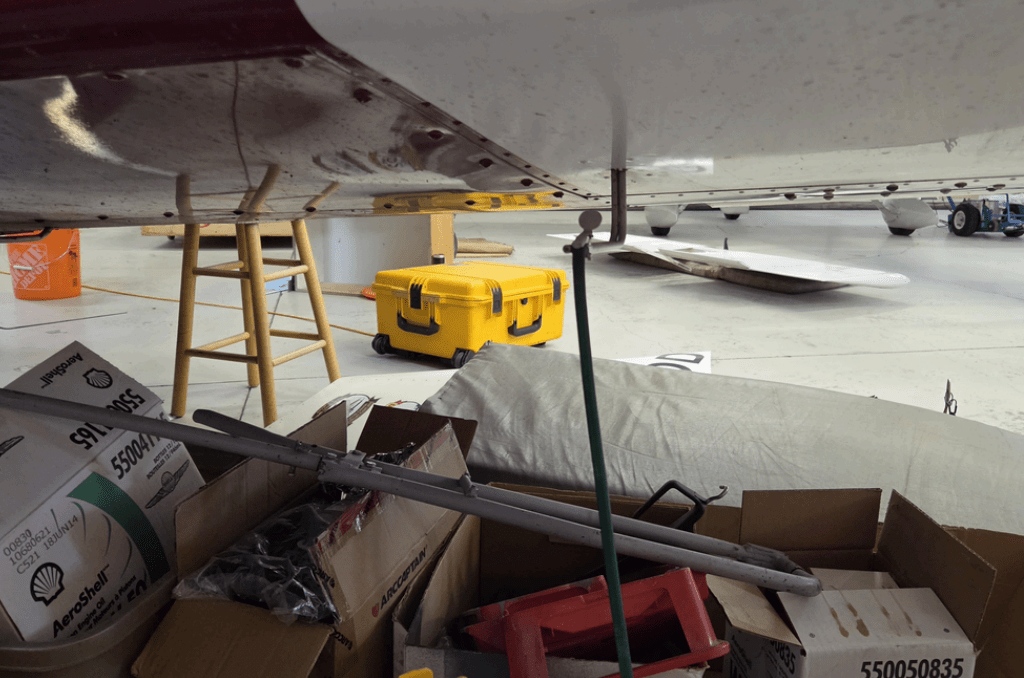
To get setup for the testing, some equipment needs to be connected. First, a line is connected to both the pitot and static ports. In my case, we had to splice into the static line inside the plane, as the static port on the wing could not be used.
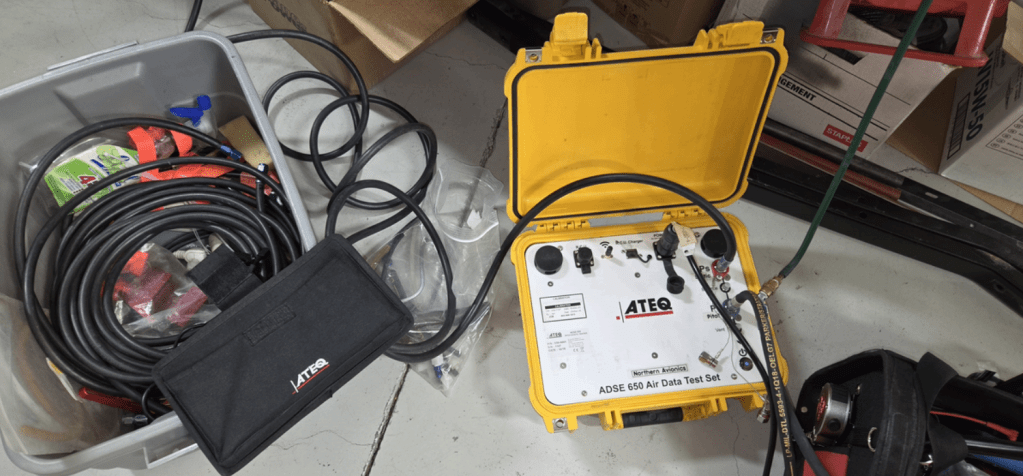
For those that have static ports on the side of the plane, a suction-style device fits over the port.
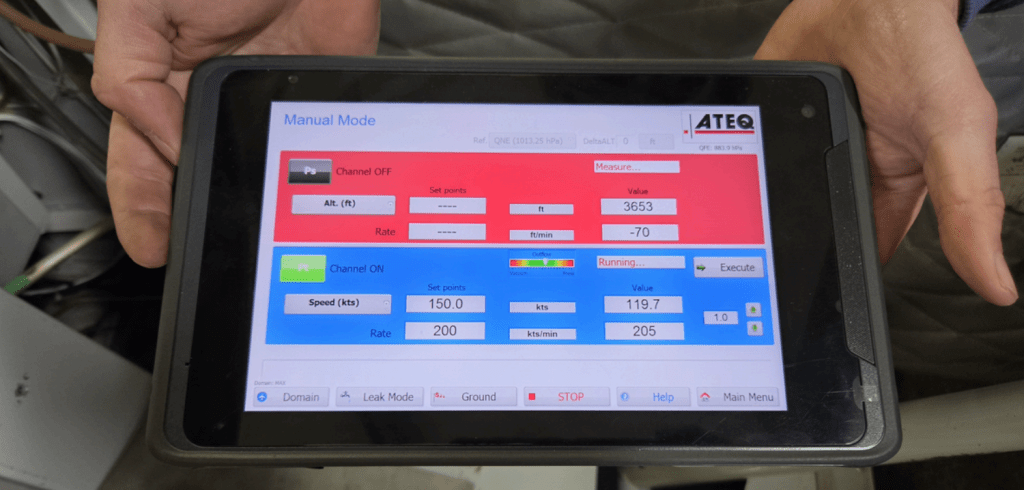
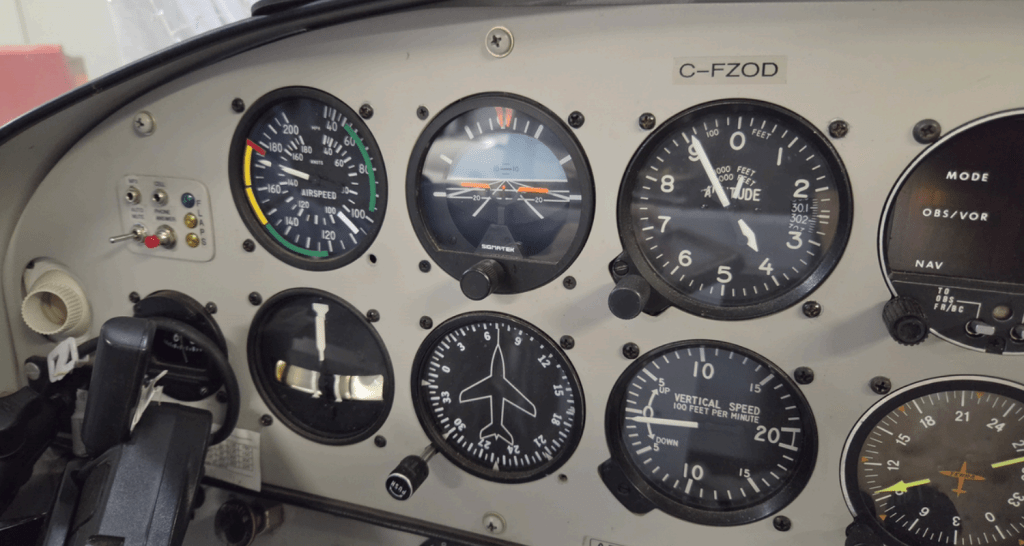
First is a pitot test up to the redline airspeed and then a 1-minute hold to check for leaks. Accuracy needs to be within 10 mph or 10 knots; I forgot the exact value. It was strange to see the instruments move with the plane on the ground.
Second is the static test, which assesses the altimeter up to 20,000 feet with a 1-minute hold for leaks; again, there is a small tolerance of accuracy with this test.
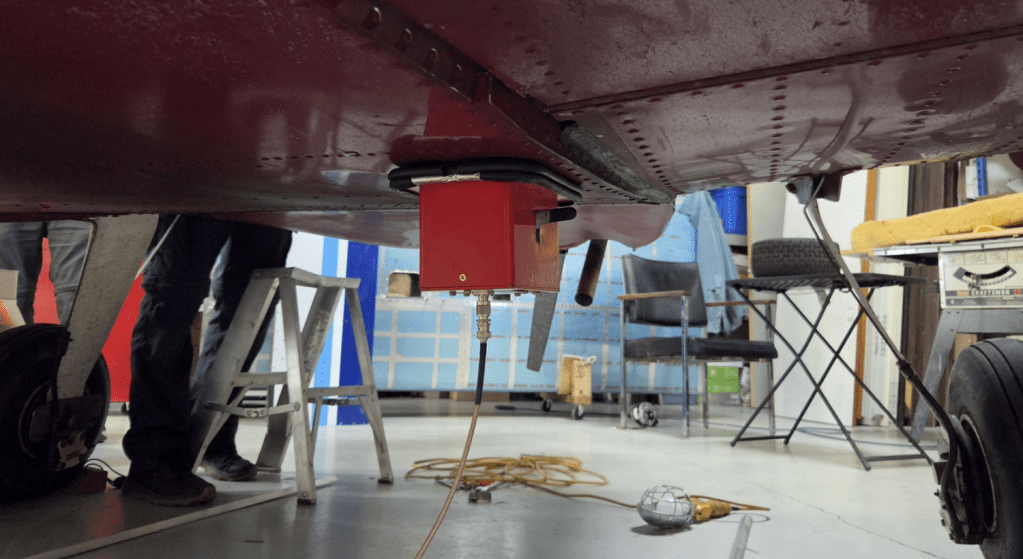
Third is the Transponder test. For this test, an enclosure is fitted over the transponder antenna while the static values change so that the transponder broadcast can be verified against the test unit and the altimeter in the plane.
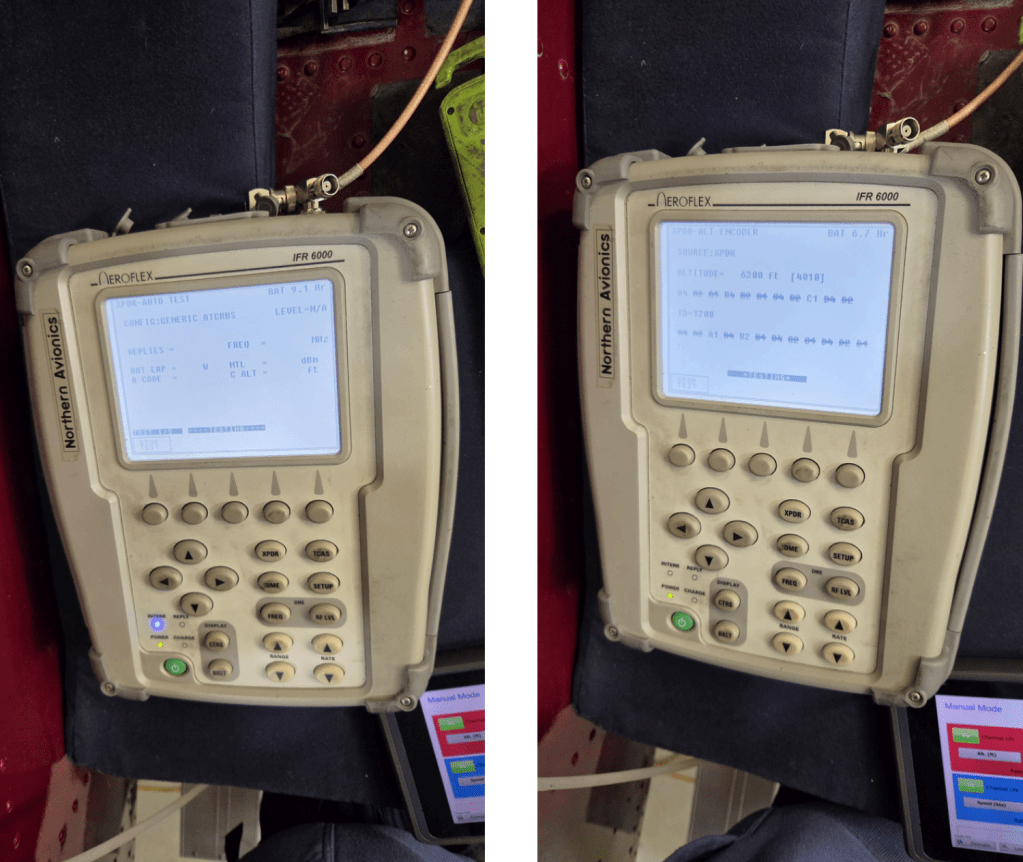
Once the testing is complete, the Avionics Shop printed a report, prepared some log entry stickers, and issued the invoice, which totaled $700.
If you shop around, you may find people to do it cheaper, but in this case, the convenience of having Northern do it was worth any extra I may have paid to get this done.
Now I’m legal in controlled airspace for the next few years, and I can feel reassured that everything is working correctly.

