
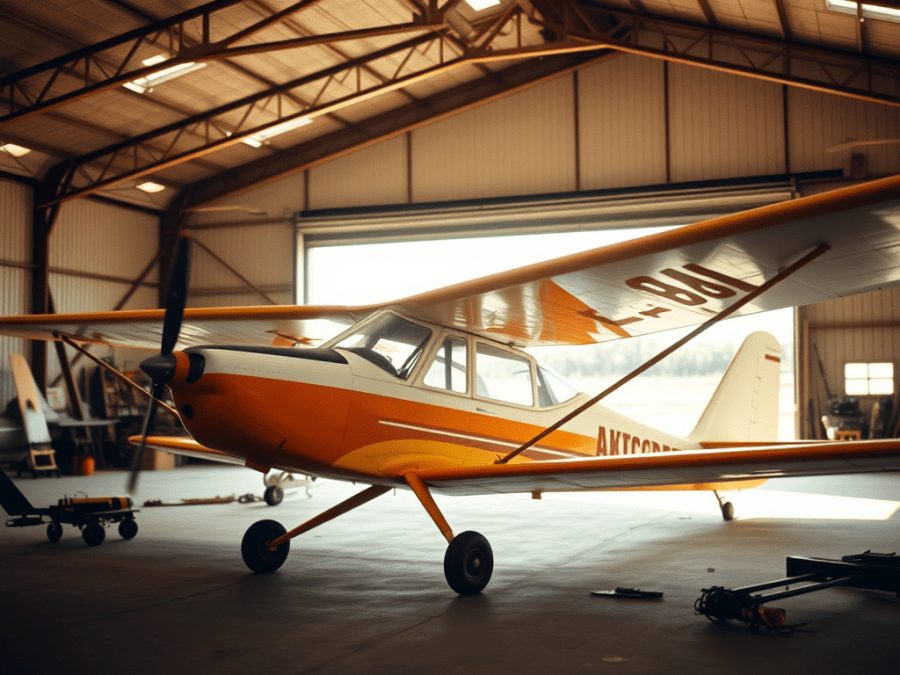
As most of you know, I had been flying a C170A for about 7 years. In that time, I was able to log approximately 450 hours in it. The 170 is a very roomy, forgiving airplane that I was able to get very comfortable in. Unfortunately, due to several factors, most of which was the economy, the amount of time in the air had been severely reduced. At its last annual inspection, I had told my AME that if he found anything wrong, I would just have to park it. I just didn’t have the money for any repairs. As it turned out, he had a friend who had been looking for a 170. After a few calls and emails back and forth, a deal was struck, and the new owner came and flew it away to Saskatchewan. The timing was perfect. It was a great airplane for me, but the continued cost of the annual inspections was really sucking the fun out of flying.
During the following 12 months I was able to stay current by being lucky enough to rent Pat Cunningham’s C-120. This kept me in the air, but it’s not really the same as owning your own.
Since even before buying my first airplane I’ve always been interested in the Kitfox. The idea of building and maintaining an airplane really intrigued me. An airplane where you can do our own maintenance and upkeep is a definite bonus. I also like the tube and fabric design, simple and easily repairable. Jim Corner has always been a frequent visitor to Carstairs, first in his Kitfox 3, and more recently in his Kitfox 5 which always boosted my interest.
During the year following the sale of the 170, Stu was great at sending me links to all the available aircraft that he thought might interest me. The whole time I was really just waiting for the right Kitfox to come along. I was looking at unfinished projects, or whatever was out there.
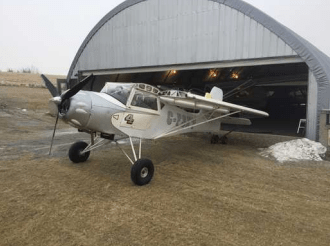
When I first started looking again, I spoke with Wade Miller about his and how he enjoyed it, flight characteristics and his overall thoughts about the design. He relayed how much fun it was and that he probably would never sell it because it did everything he wanted it to do.
Easy to maintain, inexpensive to operate, and fun to fly. Four or Five months go by, and the search was continuing. In a conversation with Stu, he suggested getting a hold of Wade because things may have changed, and he may be willing to part with the Kitfox. A couple of emails later, I was the new owner. Perfect!!!
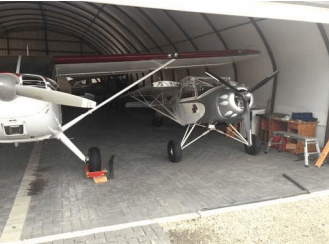
The folding wings of the Kitfox were a necessity because of the available hangar space in Carstairs.

With the wings folded I’m able to store it inside, tucked under Richard Schmidt’s Stinson 108-2.
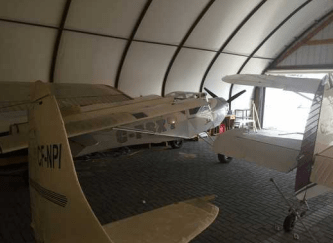
I was able to fab up a simple tow bar that allows me to push and pull the airplane while keeping an eye on everything. Making sure it doesn’t rub or bump into other airplanes or the hangar.

A great big thanks to Norm who was generous enough to give me an introductory flight in his Kitfox 4. As well as check me out to make sure I was safe before picking up mine. So far, I’ve only been able to get a few flights in it. The weather has been either too cold, or too windy. It’s an incredibly fun airplane to fly. My 170 was bit underpowered to say the least but the Kitfox 4 with the 912 ULS almost has too much power, if that’s possible. The climb is incredible, and it cruises at about 110mph. I’m still adjusting the prop to get it just right, but so far, I’m really enjoying it. The cockpit is a bit tight, but comfortable once you get yourself all folded into it. Surprising really, considering the small looking exterior size.

Making the switch from a certified aircraft to an ultralight has been an easy one. The Kitfox 4 is responsive and predictable. A real delight to fly and I would recommend it to anyone who is thinking of making the switch.
 Calgary Recreational Flying Club YYC