
What a Summer
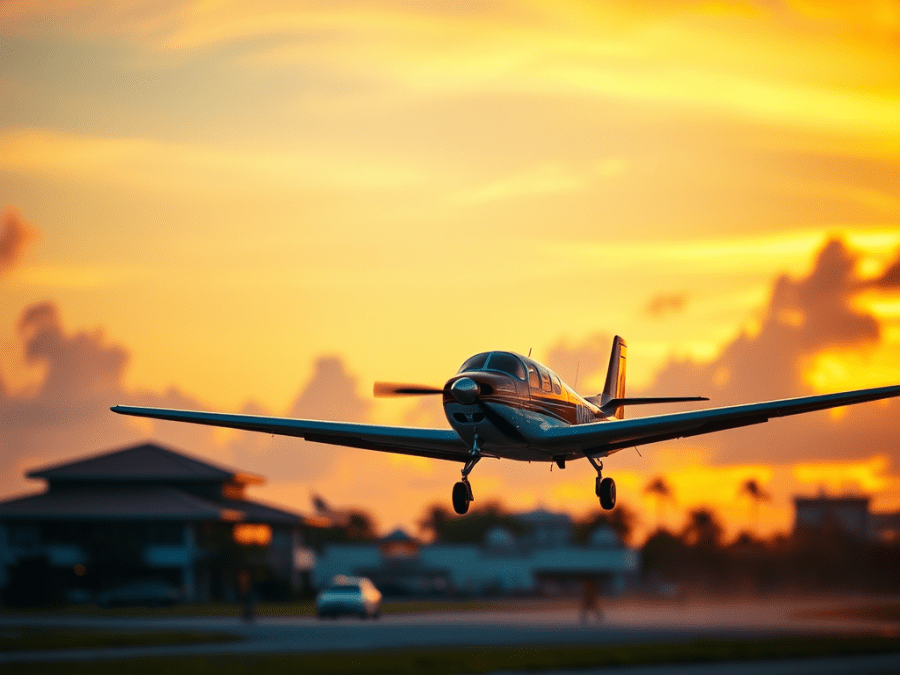
Now that the kids are all going back to school, it is a clear indication that my summer is done. This was another season of great flying. Not an easy feat when you don’t have an airplane. The highlights came during my trip to Florida, where I had the opportunity to visit the Weeks Fantasy of Flight Museum and Wings Over Miami. Then there was the return flight that Troy and I made to Tofino, which took only a day and a bit, but included many stops and adventures. I also took my staff to Vegas for a job well done.
The next thrill I had was doing a bit of instructing. It felt like such a natural step, as all the vocabulary and explanations came back to me with little thought or effort. What I learned was that, as pilots, we think of stick flying often and rudders as an afterthought.
When flying at low speeds in the flare, the ailerons don’t have the effectiveness that we have become accustomed to with simulators and conventional aircraft. By using rudders as the control for directional stability, many landings seem to become less hectic. I have always felt that all rudders should be on a type of tiller so that as you push on one, the other can’t help but move in sync with the initial one. When cables are used, there is a slight delay, and some students have the tendency to not release the free foot as they press on the active rudder pedal. Many a directional malfunction has been fixed by this simple procedure of letting off the opposite foot. The other bit of grief that showed itself is that we tend to hold the rudder longer than needed. The rhythm I recommend is a touch, then release, then a touch more if needed in whatever direction is required. Use the stick to complement the turn and start with rudder to roll level when the heading is found. You should step on the ball to reduce the slip.
It is down to the wire with the Evening at Indus. Thank you in advance for those who can make it.
The meetings start again this month, and I look forward to all the other adventures discovered this past season.
 Calgary Recreational Flying Club YYC